What happened
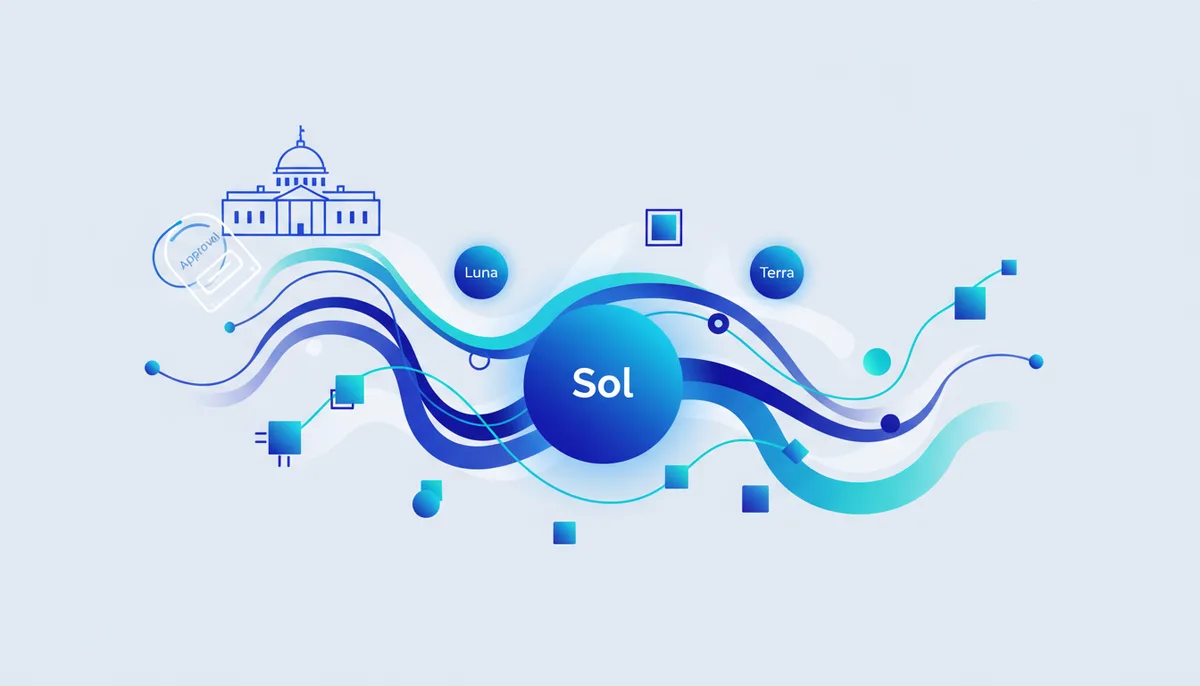
OpenAI made a broad public release of its new GPT-5.6 model family on 9 July 2026. The release followed a 12-day safety review initiated by the White House, underlining how significant the new technology is and how much it could affect national security. The GPT-5.6 family consists of three models: Luna, aimed at lightweight tasks; Terra, a balanced option; and Sol, the flagship, which OpenAI positions as "the world's best model for cybersecurity and coding".
Sol was purpose-built to support cybersecurity work, including threat modeling, code review, patching and operating as a blue team (the defending side in cyber exercises). It is also optimized for agentic workflows, which makes it the foundation for products like ChatGPT Work. GPT-5.6, and Sol in particular, is available through ChatGPT, the Codex API and the OpenAI API, so developers and security engineers can wire it into their own systems and workflows.
Why it matters
The public release of GPT-5.6, and especially of Sol, is a significant moment for both the AI and cybersecurity industries. If OpenAI's claim that Sol is the best cybersecurity model holds up in practice, it could fundamentally change how teams approach information security and secure software development. The optimization for agentic workflows signals OpenAI's push toward AI agents that can carry out complex, multi-step tasks autonomously or with minimal human involvement.
The White House review period before public release highlights growing government attention to the safety and ethics of AI development. It may set a precedent for future frontier AI releases. In Russia, where accessing GPT-5.6 requires a foreign proxy, Sol's arrival also raises the bar for judging domestic AI development, particularly in cybersecurity.
What it means for vibe coding
For developers who work vibe-coding style, GPT-5.6 and especially Sol open new ground. Having an AI tuned for coding and cybersecurity can meaningfully speed up development and raise code quality. Sol can help hunt for vulnerabilities, run automated security reviews of code and even design defensive mechanisms — a natural fit for the idea of an AI assistant that supports the developer at every stage of a project.
GPT-5.6's integration into ChatGPT Work and its API availability make it easy to plug these capabilities into existing workflows. Developers can use Sol to automate code review, write security tests or even model potential attacks against their own applications. That lets developers focus on higher-level design and architecture while the AI takes on the routine but critical parts of security and code writing.