What happened
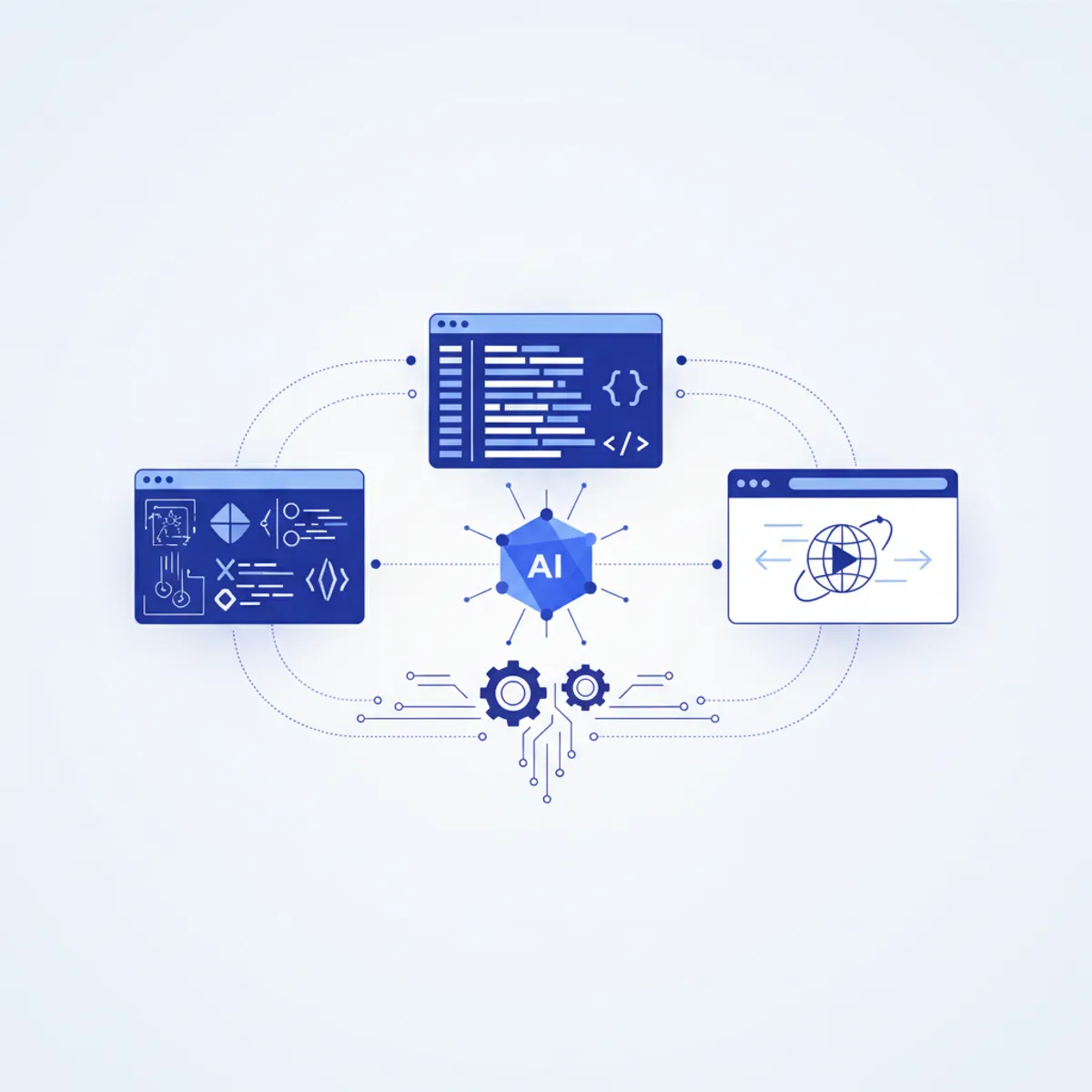
OpenAI has released ChatGPT Work, a universal desktop application that combines ChatGPT, the Codex coding agent and the Atlas web browser. The product is described as a universal productivity agent meant to help users with their most ambitious tasks. ChatGPT Work is built on the new GPT-5.6 family of models. It ships through a reworked ChatGPT desktop app, which now gathers all the key components in one place. ChatGPT Work supports task scheduling, letting users hand assignments to the agent remotely from a phone and then track progress on the desktop. The agent can carry out tasks inside applications and the browser, and can move files around. A new unified plugin catalogue lets you connect ChatGPT to third-party tools using the "@" prefix to name an app. The chatbot will also suggest relevant apps as the conversation goes. Task scheduling can be used to automate routine work, for example compiling summaries of Slack messages.
Why it matters
The ChatGPT Work release is a major step by OpenAI toward an integrated environment for working with AI. Merging a chatbot, a coding agent and a browser into one application simplifies interaction with AI technology and widens its use in everyday workflows. Driving the computer through AI, automating routine work and integrating with external tools make ChatGPT Work a powerful productivity tool. OpenAI stresses that the user stays in control of what the AI does, defining data access and requiring confirmation for actions. The built-in browser can pull information from websites and build web applications through the Sites feature, which is useful for dashboards, project trackers, interactive reports and prototypes. The move fits the trend toward more autonomous and integrated AI systems capable of complex, multi-step tasks.
What it means for vibe coding
For vibe coders, ChatGPT Work opens up new horizons. Being able to hand tasks to the agent from a phone and track progress on the desktop simplifies project management, especially in distributed teams or under time pressure. Integration with Codex makes AI more effective for writing, debugging and refactoring code. A universal agent can help automate routine work such as setting up an environment, writing tests or generating documentation. Plugins extend what the agent can do, letting it work with various development tools, version control systems and collaboration platforms. The Sites feature can be used to quickly prototype user interfaces or build interactive reports on the results of your work. The important skill is phrasing requests to the agent properly, so that it uses its capabilities to the fullest and completes tasks the way you expect while you stay in control of the process.