What it is
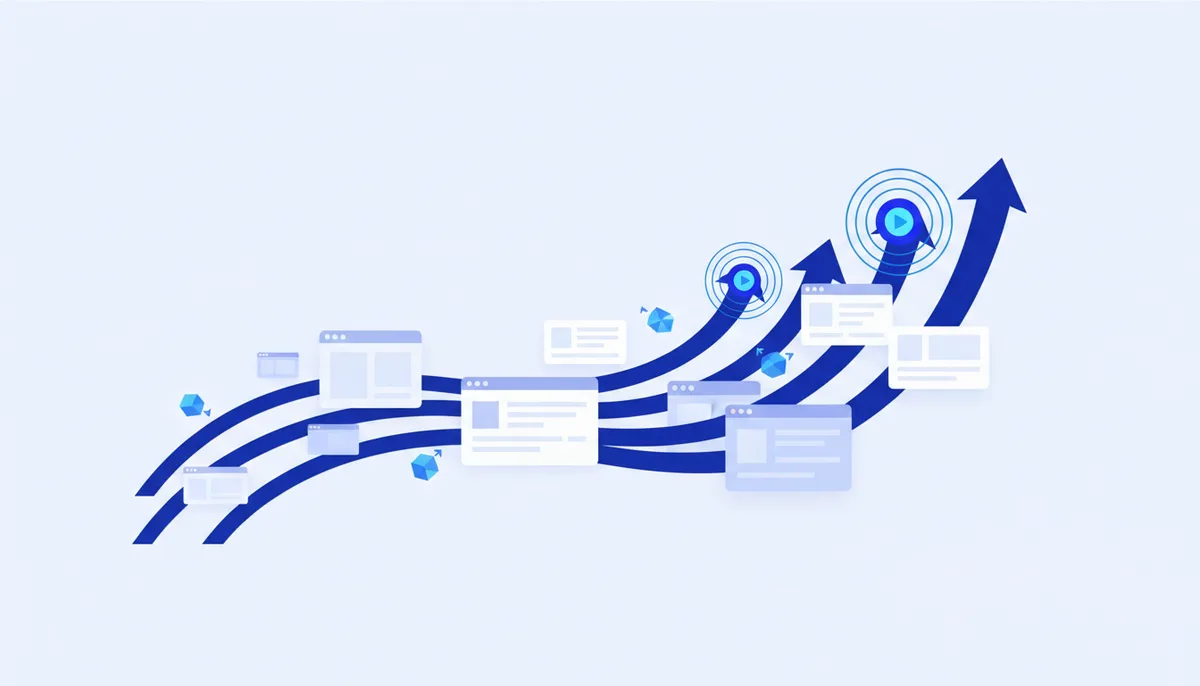
Task-specific agents are narrow AI agents built straight into enterprise applications (CRM, ERP, helpdesk, BI) for one concrete job. Not "open a separate chat assistant", but a smart button or feature inside the tool you already work in.
Where it came from
At first AI lived off to the side (ChatGPT in a browser tab). In 2025–26 software vendors (Salesforce Agentforce, Microsoft Copilot Studio, ServiceNow) started embedding agents inside their own products for specific jobs: triage a ticket, prep a deal, assemble a report.
Why it took off
Gartner: by 2026 already 40% of enterprise applications will have task-specific agents — against under 5% in 2025. A sharp jump. The reason: an agent that sits in the app's context (with access to its data and actions) is more useful than a general-purpose chat off to the side — it lives inside the workflow.
How to apply it now
- Don't buy "one more chatbot" — check whether there is already an agent inside the software you run (CRM/helpdesk/BI).
- Turn on one feature at a time and measure the time saved on that specific task.
- A narrow agent with access to the app's data is almost always more practical than a general assistant.
- Keep permissions under control: an agent inside ERP/CRM acts on your behalf.
What to watch out for
This breeds a zoo of small agents in every application — management, permissions and audit all get harder. Some vendor "agentic" features are just marketing (see agent washing). Check the actual autonomy, not the label.