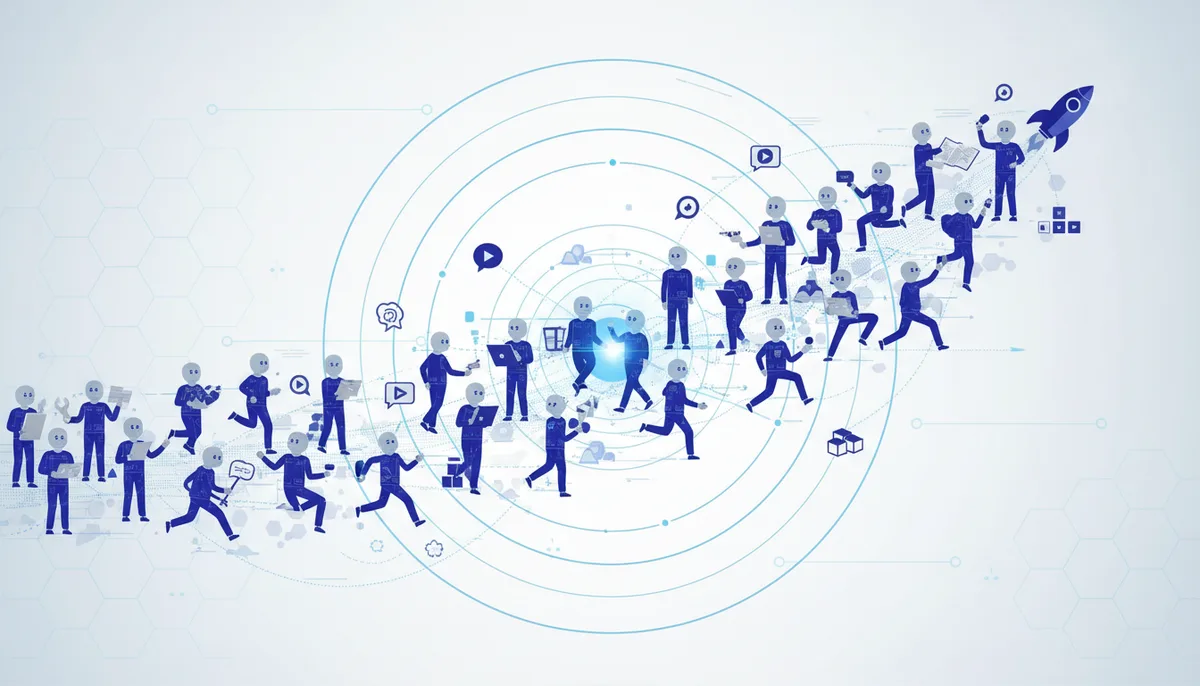
What it is
The ability of image generators to keep the same character (face, hair, clothes, mascot) recognisable across dozens of different frames, poses and scenes. This used to be the number one pain of AI images: every frame gave you "a new person". Now consistency is a baseline expectation.
Where it came from
It started as workarounds in open source (training a LoRA on a face, IP-Adapter/ControlNet in ComfyUI). In 2025 it landed in mass-market products out of the box: character reference images in Midjourney (--cref), Nano Banana (up to ~14 references and a preserved "face fingerprint" through edits), character features in Leonardo AI and others.
Why it took off
- It unlocked serial formats: comics, storyboards, post series, ad campaigns with a mascot, children's books.
- Brands got a "digital actor": the same signature character in any scene, with no shoots and no fees.
- Simplicity: "here's my hero — draw him in the kitchen / in space / in the office", instead of training a model.
How to use it today
- Lock the character down: 1–3 clean references (front view plus details) or a short JSON "passport" of their looks (age, hair, clothes, distinguishing features).
- Midjourney:
--cref <url> --cw 100. Nano Banana / Nano Banana Pro: upload the references and ask for new scenes. ComfyUI: LoRA/IP-Adapter for maximum control locally. - Generate a series of scenes from the same "passport" — you get a coherent set for a comic or campaign.
What to watch out for
- Perfect sameness is not guaranteed yet: profiles, hands and small details drift — cherry-pick the best frames.
- A consistent character is your asset: make sure it doesn't end up looking like a real person or someone else's mascot.