What it is and who it's for
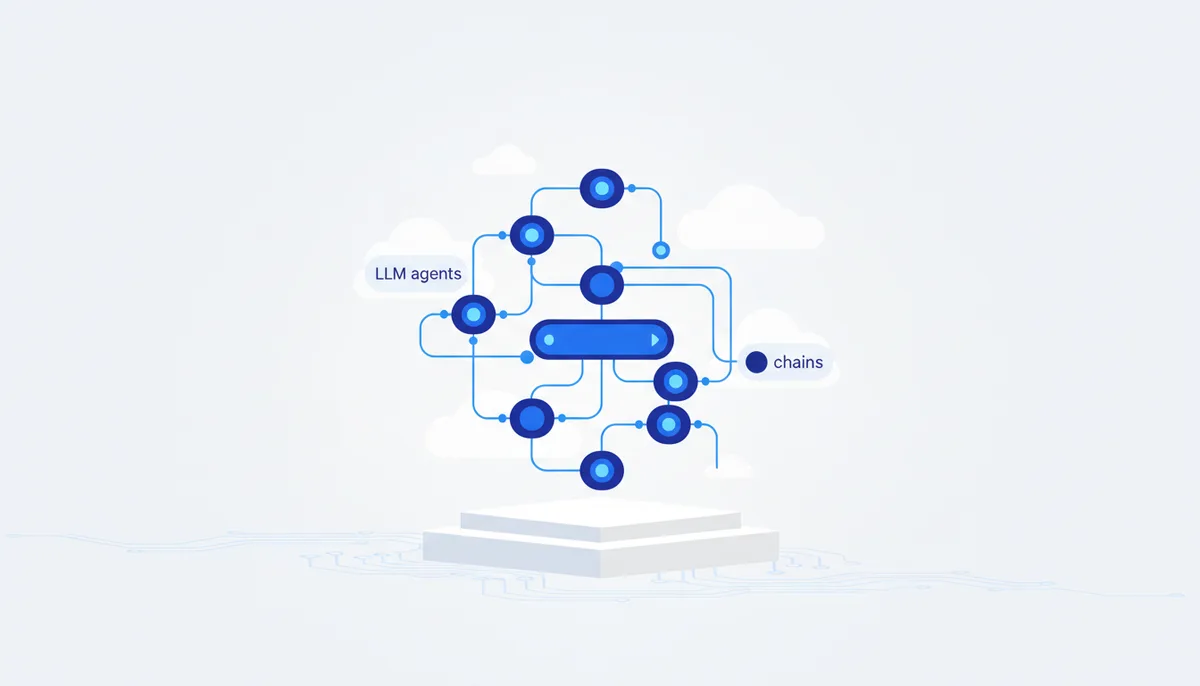
Flowise is an open-source visual builder for LLM chains and agents: you wire nodes together on a canvas (model, retriever, tools, memory) and get a working pipeline or chatbot you can self-host and call over an API. It's for developers and product engineers who like the LangChain approach but want to prototype visually instead of writing everything in code. It stands out for a fast node canvas for prototypes and a strong OSS community (51k+ stars).
Key features
- Visual node canvas: LLMs, embeddings, retrievers, tools, memory.
- RAG pipelines and chatbots over your own documents.
- Agents with tools and multi-agent flows.
- Export as an API or an embeddable widget.
- Connects to many models and vector databases.
- Self-host (npm/Docker) or the Flowise cloud.
Get started in 5 minutes
- Run it locally with one command (needs Node 18+):
npx flowise start
# open http://localhost:3000
- Create a flow, drag in nodes (model + retriever + prompt), plug in your API key.
- Test the chat in the preview and publish it as an API or a widget.
When to use it, when not to
- ✅ Use it if you want to prototype LangChain-style chains and agents quickly with a mouse.
- ✅ Use it if you need a self-hosted visual builder that exports to an API.
- ❌ Skip it — go with "Dify" — if you need a more product-grade RAG platform with an admin panel and evaluation.
- ❌ Skip it — go with code directly (LangChain/LlamaIndex) — if the logic is complex and you need full control.
The honest price
Flowise itself is free (open source, self-hosted); you pay for model tokens and infrastructure. There's also a cloud subscription plan. Exact numbers are on the vendor's site and they change.
Gotchas
- Production means your own DevOps: updates, backups, monitoring.
- Complex logic is harder to maintain on a canvas than in code — projects sprawl as they grow.
- RAG quality comes down to data preparation and retriever tuning.
- Model tokens cost money; only the platform is free.
🤖 Prompt accelerator
"I'm building a <document chatbot / agent with tools> in Flowise for
. Help me design the flow: which nodes and in what order (loader → embeddings → vector store → retriever → LLM → prompt), which vector DB and model to pick, and a system prompt that makes the bot answer from the sources. Give me a testing checklist to run before exporting to an API.