What it is
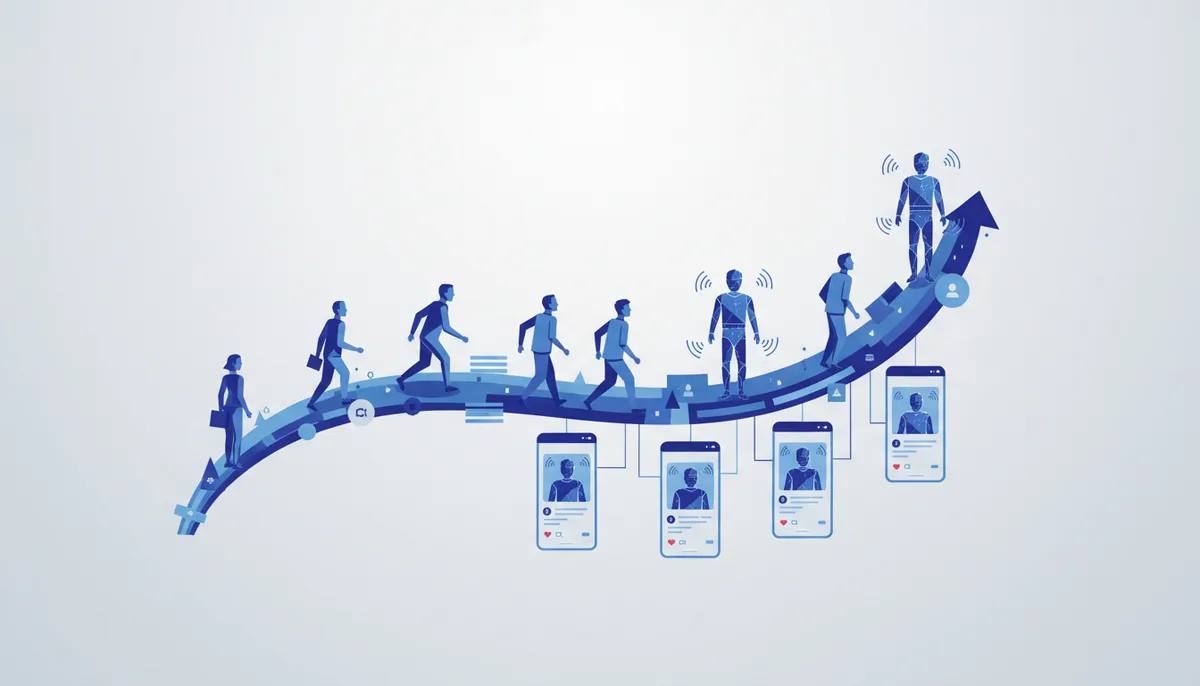
AI-UGC is advertising in the "some regular person shot this on a phone" style, except the "actor" is fully synthetic: an AI avatar holds the product, wears branded clothing and reads the script with emotion. It looks like native UGC; it is in fact generated.
Where it came from
- UGC ads (testimonials that look like they come from an ordinary user) have long beaten glossy spots on conversion in performance channels.
- The bottleneck is finding, filming and paying live UGC actors for dozens of variations.
- Platforms (Arcads, Creatify and similar) shipped libraries of AI actors and "product URL to 5-10 clips" generation.
Why it took off
- A/B speed: dozens of creative variants in a day instead of weeks of casting and shooting.
- Cheap at scale: one script becomes many "actors", languages and angles.
- Performance marketing needs a high volume of hypotheses — that is exactly what AI covers.
How to use it today
- Test hook hypotheses: 10 versions of the first 3 seconds across different "actors", then keep the winners.
- Stay in the UGC aesthetic: 9:16 vertical, a selfie-style frame, natural delivery, nothing glossy.
- Validate the offer and the script on AI clips first, and only reshoot the strongest one with a live creator if you want to.
What to watch out for
- Disclosure: experts advise labelling a synthetic actor explicitly — otherwise you trigger the "deepfake effect" and lose trust.
- Platforms keep tightening rules on AI ads and likeness to real people — track the policies.
- The uncanny valley in facial expressions still shows up — check the clip for naturalness before you upload it.