What it is
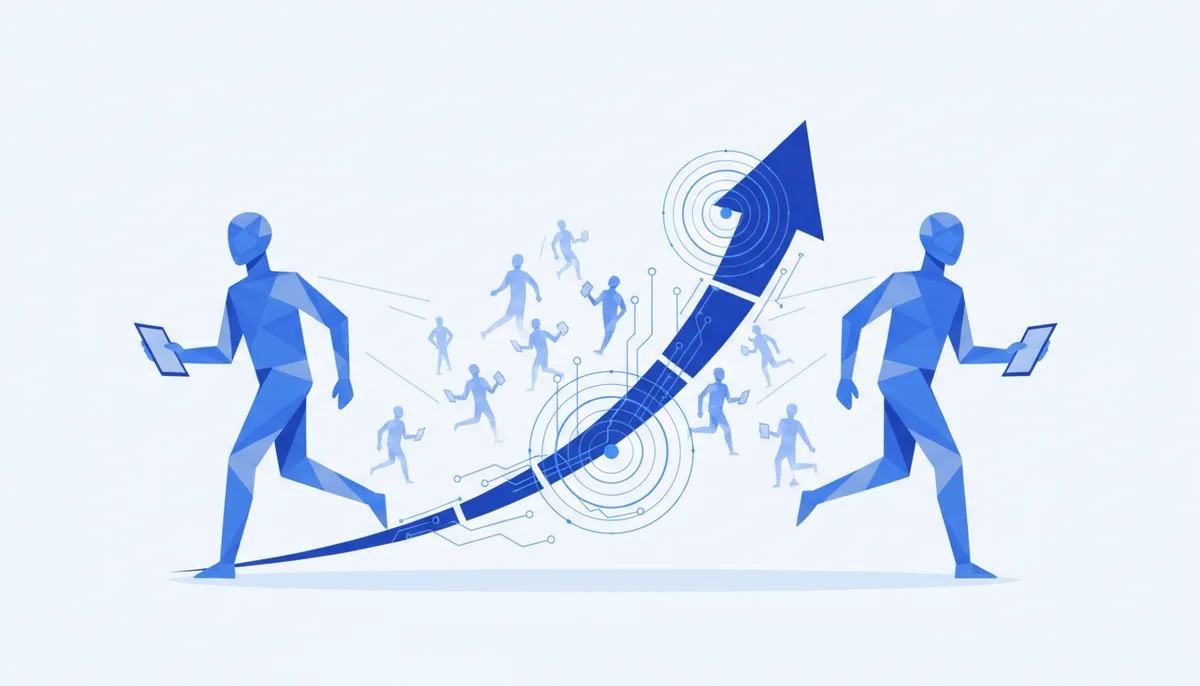
A creator AI avatar is a digital twin of a real author (face plus voice) that "performs" new videos from text. The creator films themselves once, and after that the content is assembled with no camera and no studio.
Where it came from
- Talking-avatar platforms (HeyGen, Synthesia, D-ID) reached photorealism and voice cloning.
- A creator's bottleneck is personal time on set for every single video, especially across many languages.
- The logical next step: "film yourself once, generate from there" — hence the wave of personal avatars.
Why it took off
- Scale: dozens of videos and translations with no new shoots.
- Localization: one piece of content and suddenly you "speak" Spanish, Hindi, Arabic.
- It removes the fatigue of filming every day — a pipeline without on-camera burnout.
How to apply it now
- Clone yourself for routine formats (niche news, Q&A, translations) and save live filming for what matters.
- The stack: HeyGen/Synthesia (avatar) + ElevenLabs (your voice) + an LLM (script).
- Be transparent with your audience: label the video as voiced by your AI twin.
What to watch out for
- The uncanny valley and flat delivery kill trust — an avatar isn't right for everything.
- Twin security: a clone of your face and voice is a tempting target for scammers.
- Audiences value a real human — overdo the avatar and you lose the connection.