What it is
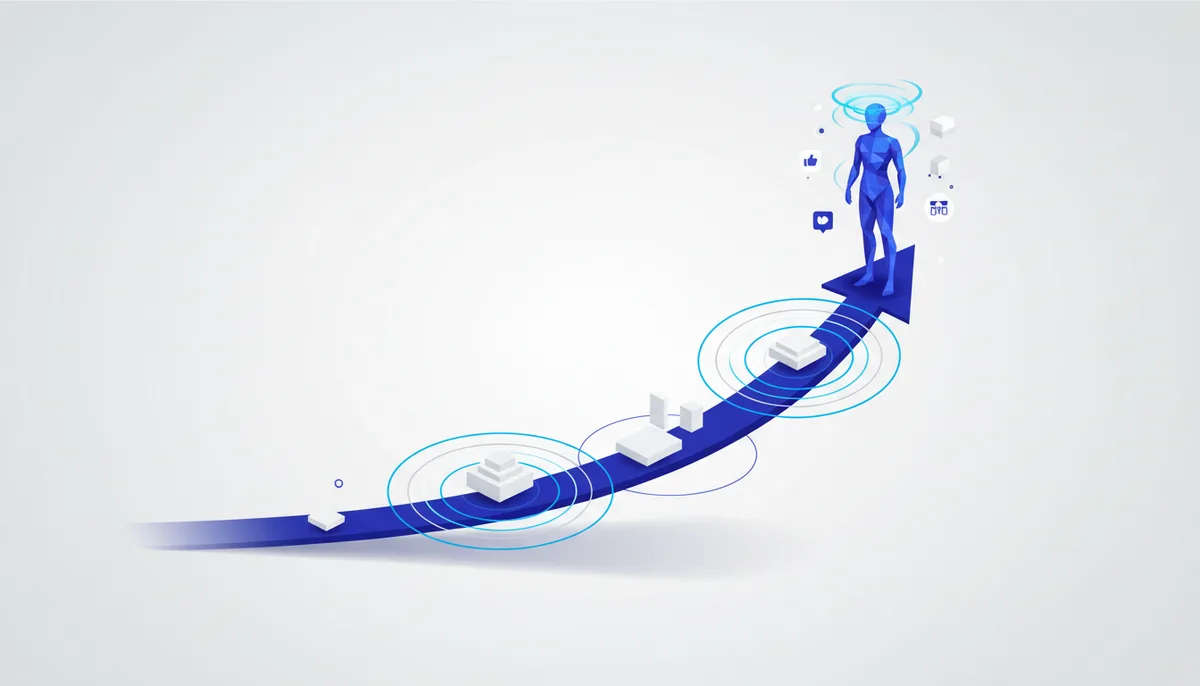
Virtual influencers are fully synthetic blogger characters: the face, the backstory, the style and the posts are generated and run by a team. They don't physically exist, yet they gather audiences and ad contracts like living stars.
- Lil Miquela (created by the studio Brud, debut 2016) — the pioneer of the genre, with Prada and Calvin Klein collabs and millions of followers.
- Aitana López (agency The Clueless, Spain) — a hyperreal "fitness model" who drove the 2023–25 wave.
Where it came from
- Lil Miquela showed up back in 2016 — long before the generative AI boom, as a CGI art project.
- The 2023–25 jump: cheap face generation (Stable Diffusion/FLUX) removed the barrier — one person can now build a "model".
- Agencies did the math: a virtual character doesn't get sick, doesn't age, doesn't miss shoots and won't leave for a competitor.
Why it took off
- Total control: a brand shapes the "perfect" ambassador for its audience without a real person's demands.
- Economics: one-off generation is cheaper than endless photo shoots and fees.
- Curiosity and the "is it real or not" argument pull reach and discussion on their own.
How to use it today
- Your own brand mascot: build a consistent character (one face, one style) and run a recurring column with it — no dependence on the founder's personality.
- Stack: a face generator (FLUX/Midjourney) plus a fixed character reference plus a single tone of voice across posts.
- Honesty: label it clearly as a virtual character — that heads off complaints and often adds interest.
What to watch out for
- The ethics of unrealistic bodies and lives: the same criticism as retouching, only sharper.
- Disclosing the AI nature is a requirement, not an option, in many jurisdictions (advertising).
- Without a strong story the character is an empty 3D doll; what holds an audience is personality, not the render.