What it is
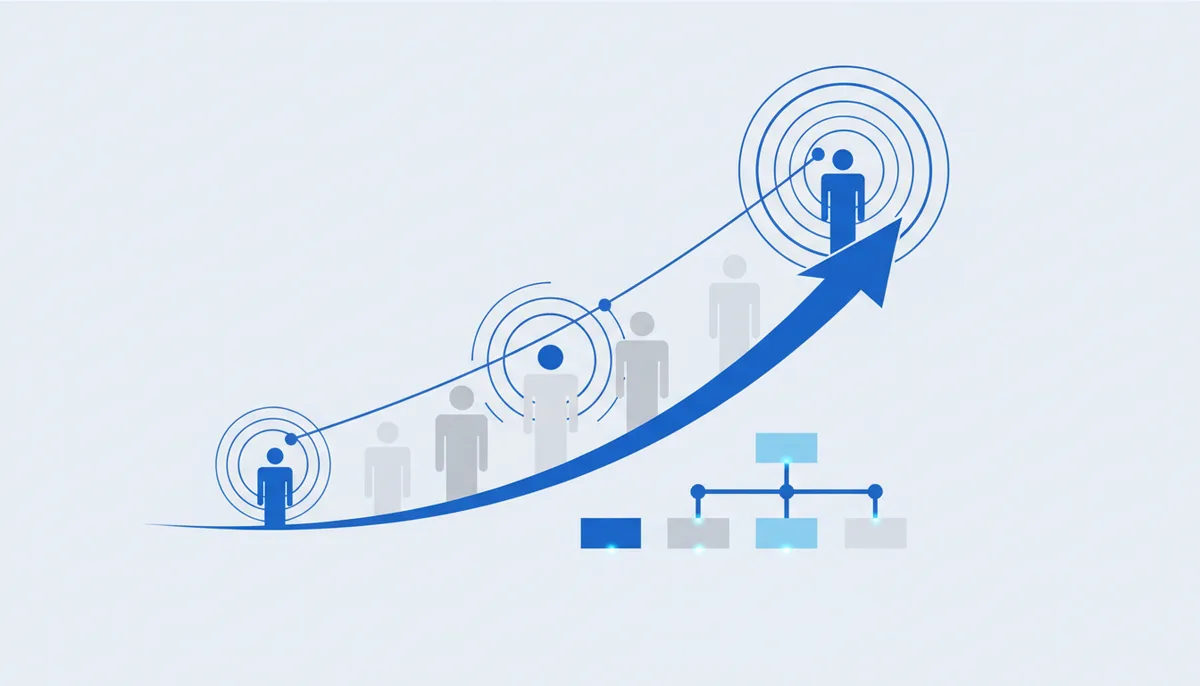
The "agent as employee" phenomenon is the positioning of AI agents as digital labor working alongside people 24/7: picking up tickets, running routine processes, answering customers. Not "a tool inside an app" but "a colleague on staff" with a role and a scope of responsibility.
Where it came from
- September–December 2024 — Salesforce launches Agentforce and positions it as a "digital labor platform" for a "limitless workforce".
- October 13, 2025 — Agentforce 360 goes GA: a platform that puts people and agents in one system, with agents resolving up to 60% of inbound requests.
- Microsoft (Copilot agents), Google and startups picked up the "digital workers" rhetoric.
Why it took off
- Business understands "hire an agent for a role" better than "bolt on an AI feature" — the ROI math is simpler.
- Demand grew: employee interactions with agents rose an average of 65% month over month in H1 2025.
- It coincided with cost pressure: a "digital employee" for a few hundred dollars versus hiring a person.
How to use it today
- Define the agent's role and boundaries like you would a new hire's: what it does, what it can access, when it escalates to a human.
- Start with narrow, measurable functions (first-line support, routine reports), not "do everything".
- Keep a human in the loop for decisions with consequences.
What to watch out for
- Marketing runs ahead of reality: an "autonomous employee" in practice needs supervision and often fails on long chains.
- Responsibility for the agent's actions sits with the company; you need logs, audit trails and permissions.
- "Replace people" versus "augment people": vendor positioning outpaces actual maturity — don't overestimate the autonomy.