What it is
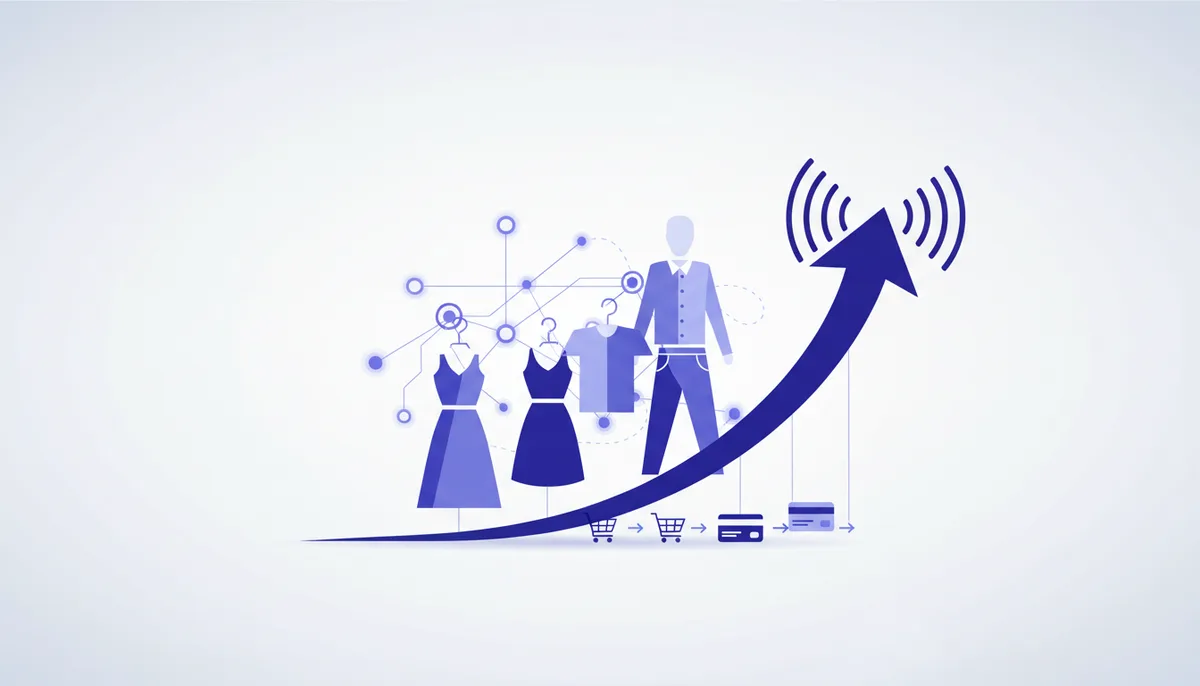
Generating an image (and now video too) in which the item you picked is put on your photo or on a generated model with your measurements. The shopper sees how it will sit before ordering.
Where it came from
AR fitting rooms have existed for years, but the leap came from diffusion-based garment fitting. In 2025 Google took it mainstream: try-on inside Google Shopping (from a selfie) and a separate app, Doppl (Google Labs), which also animates the look into a short video. In parallel there are dozens of on-model services for brands.
Why it took off
- It cuts returns. The core pain of fashion e-commerce is "it didn't fit"; try-on reduces it.
- Conversion and engagement. "Try it on yourself" holds people on the page and nudges them to buy.
- Platform support. Once it is built into Google Shopping, reach is instant.
How to use it today
- As a shopper: try-on in Google Shopping or the Doppl app (upload yourself plus the item).
- As a brand or seller: on-model generation (putting the product on a range of models) — Freepik/Magnific, Leonardo AI, dedicated services; for a series, use consistent models. What you get: try-on images and videos for product pages and ads across different body types, with no shoot.
What to watch out for
- Fit accuracy. AI shows how something might look, not the exact physics of the fabric — do not promise a perfect fit.
- Privacy. Uploading a face or body to the cloud is a question of consent and data retention.
- Model diversity must not slide into misrepresenting the actual product.