What it is
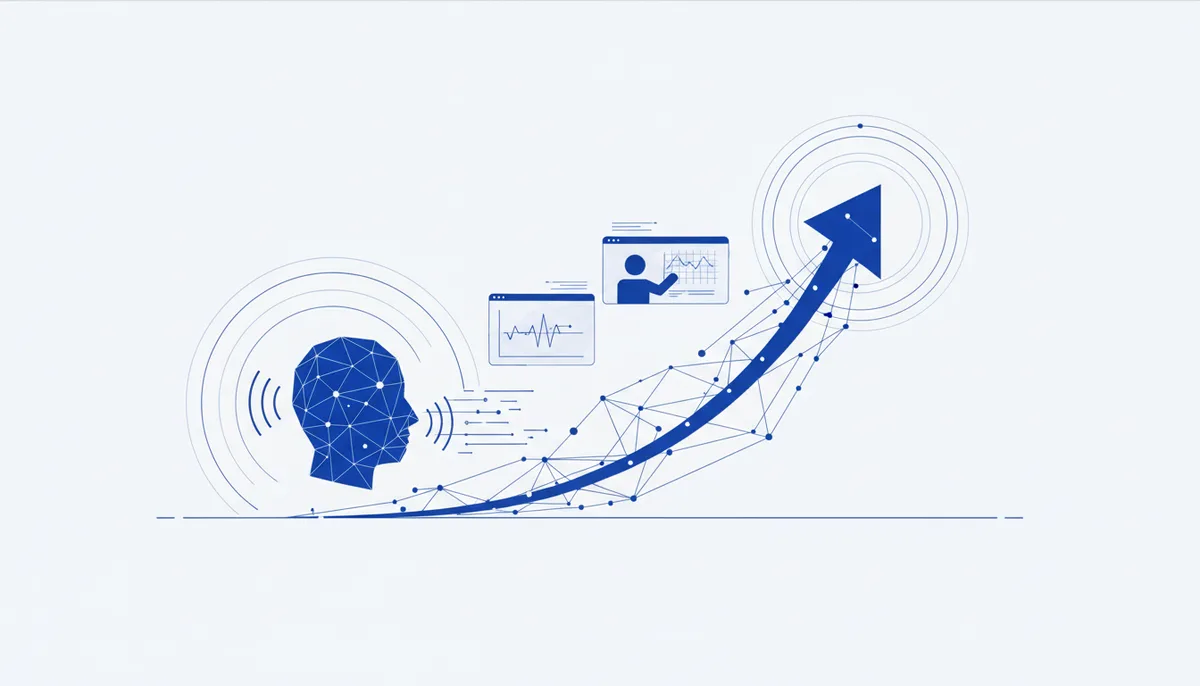
A photorealistic or stylized digital presenter that delivers any text to camera: training videos, news, reports, onboarding, multilingual content. The trend is that the talking head now gets made without a film crew or an actor.
Where it came from
The corporate segment was set by Synthesia, HeyGen and D-ID (an avatar reads your script, and you can build your own digital twin). In parallel, AI anchors went on air: Xinhua (China, as early as 2018), India Today with its presenter Sana (INMA award, 2024), and rollouts in several other countries.
Why it took off
- Video content without production: training, marketing and support scale through text.
- Instant edits and localization: change the text, get a new video, no reshoot; 24/7 in dozens of languages.
- A digital twin of your expert or brand instead of constant shoots.
How to use it now
- Corporate video and courses: Synthesia or HeyGen (pick a presenter or your own avatar, paste the script).
- An avatar from a single photo or short recording: D-ID, HeyGen.
- For multiple languages, chain it with dubbing and lip-sync (see the separate card). What you get: a series of talking videos for training or marketing without a camera.
What to watch out for
- The uncanny valley. It does not fit everywhere: slight unnaturalness in the facial movement can put people off.
- Disclosure. The viewer should know the presenter is synthetic (especially in news) — otherwise trust takes the hit.
- Someone else's face or voice without consent is a deepfake risk.