What it is
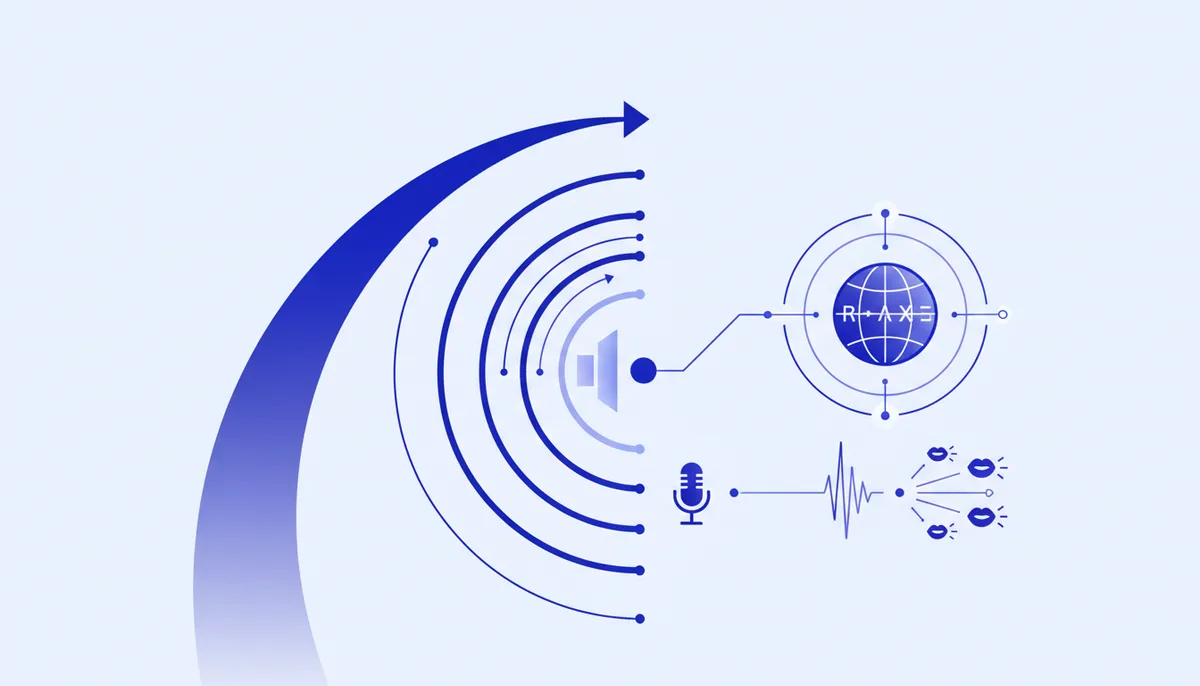
Automatic video translation with your voice cloned and lips re-synced to the new language — in minutes instead of weeks. One clip reaches dozens of language markets in your own timbre.
Where it came from
First came speech synthesis (ElevenLabs) and lip-sync as a separate step. Then everything merged into one-click dubbing: HeyGen (translation + voice clone + lip-sync in 170+ languages), YouTube auto-dubbing, and standalone localization services. By 2025 this is standard for creators and brands going international.
Why it took off
- Global reach from a single clip. Non-English content is a huge share of views; dubbing removes the language barrier.
- Money and speed. Classic dubbing costs hundreds of dollars per minute and takes weeks; AI is many times cheaper and takes minutes.
- Your own voice and your own lips on screen — the viewer doesn't feel like it's someone else's voiceover.
How to use it right now
- Translation + lip-sync: HeyGen (
Video Translate), or ElevenLabs (voice) paired with a lip-sync tool. - Auto-subtitles and re-voicing — built into YouTube and most editors.
- One master clip → export a localized version for each market. What you get: multilingual versions of your video with no reshoots.
What to watch out for
- Check translation and pronunciation with a native speaker: AI garbles terms, names and stress patterns.
- A voice clone is sensitive data: only clone your own voice, or clone with consent (see "Voice clones").
- AI handles humor, idioms and cultural context poorly — sometimes you need a human editor.