What it is
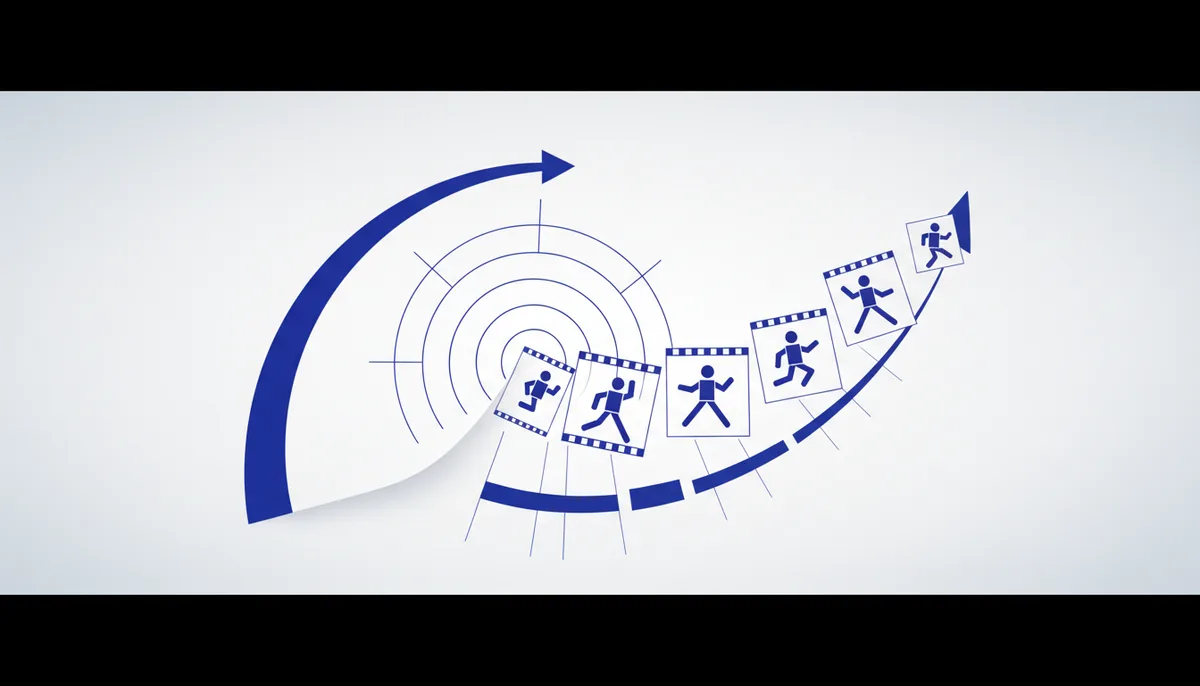
Generating a storyboard: scene by scene, with the same character and style throughout, as pre-production for a video, an ad or a film. AI closed the "script → frames → animation" loop into a single pipeline.
Where it came from
Storyboards used to be drawn by hand (expensive and slow) or stitched together from stock. The arrival of consistent characters (Nano Banana, Midjourney --cref) and image-to-video (Runway/Kling) made it possible to assemble frames with a single hero and bring them to life right away. Studios use this for previz and to test ideas.
Why it took off
- Cheap previz. You can see the idea for a video or a scene "in pictures" before the shoot or expensive production.
- One hero and one style across frames — this used to be the main bottleneck in storyboarding.
- Straight into motion. Frame → short clip → rough animatic.
How to use it today
- Script/storyboard by beats: ChatGPT/Claude breaks the idea down into 8-12 frames.
- Frames with a single hero: Nano Banana/Midjourney (
--cref) — the same character in every scene. - Bring the key frames to life: Runway/Kling; assemble the animatic in an editor. What you get: a visual storyboard or animatic for a pitch or for production in a matter of hours.
What to watch out for
- This is previz, not the final cut: for production the frames are usually rebuilt or reshot.
- Keeping the hero consistent across scenes still means picking the best options out of several tries.