Prompts
Prompts for vibe-coding — 105 cards, translated to English. Читать по-русски →
All prompts cards — 105 in total

11 Claude prompts on your birth year
11 Claude prompts that unpack the generational context of your birth year — economy, technology, culture — instead of fate. No mysticism.

25 Claude prompts for business: 5 groups
25 ready-to-use Claude prompts — voice and text, product, customer acquisition, routine, scaling. Full wording included, no code words.
Claude prompts for a personal brand
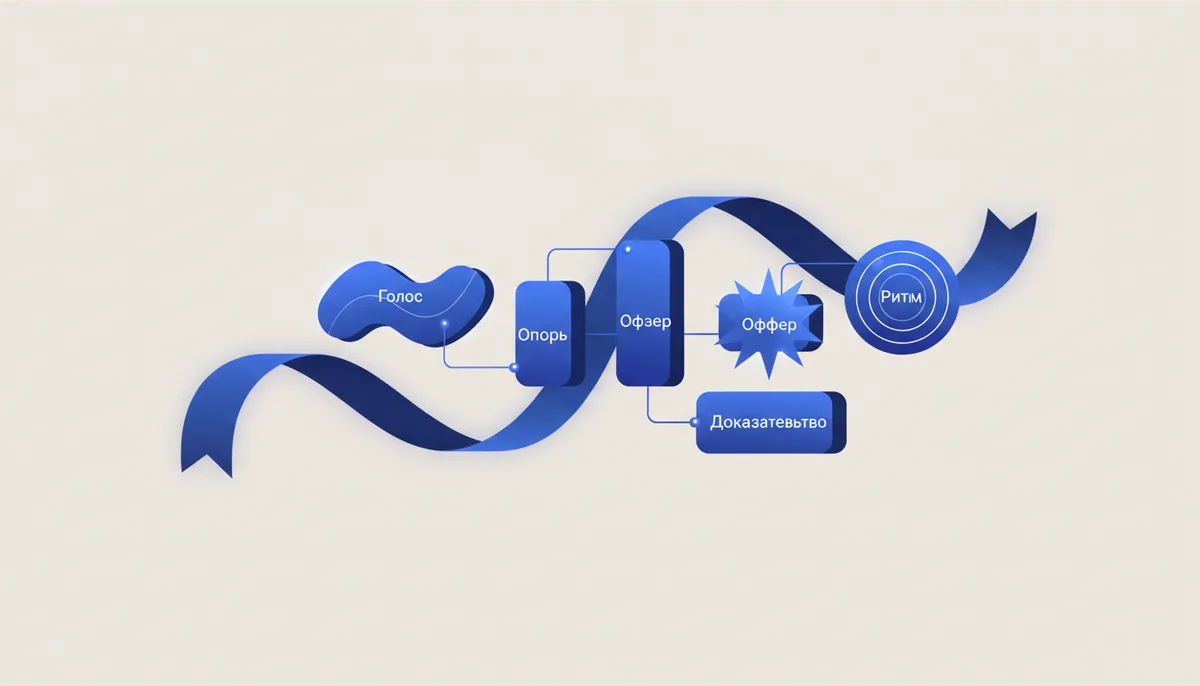
A personal brand as a system of 5 blocks — voice, pillars, offer, proof, rhythm. Full Claude prompts for every block, no DMs or code words.

5 Claude prompts for viral content
Five Claude prompts in a chain: pattern-breaking ideas, hooks, faceless formats, plus rewrites for retention and expert positioning.

5 prompts for 3D hooks on covers
5 working prompts for volumetric 3D typography covers — honey, holographic, plush, cactus, petals — and which tool renders each one best.
A/B hypotheses: what to test and why
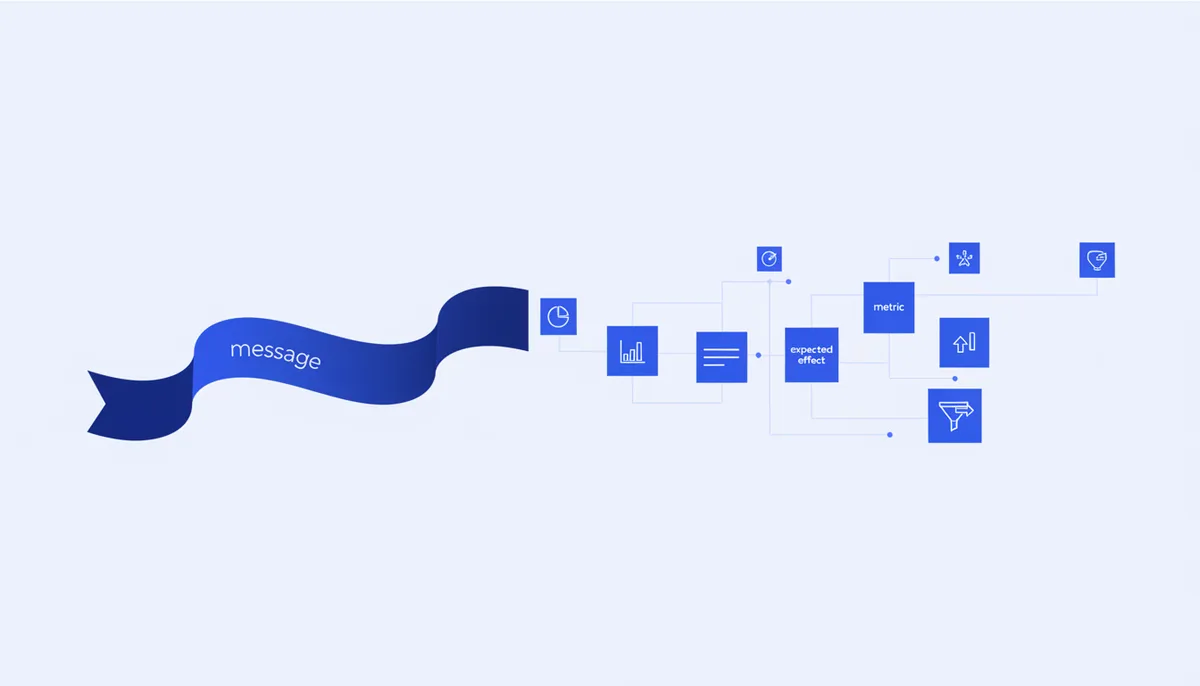
What for: turn a funnel bottleneck into a prioritized list of A/B hypotheses with a metric and expected impact — not "let's change the button color".

Ad copy in 5 angles
What for: get 5 different ad texts for one product, each built on its own angle, so you can test which one actually lands.
A script for a browser-use agent
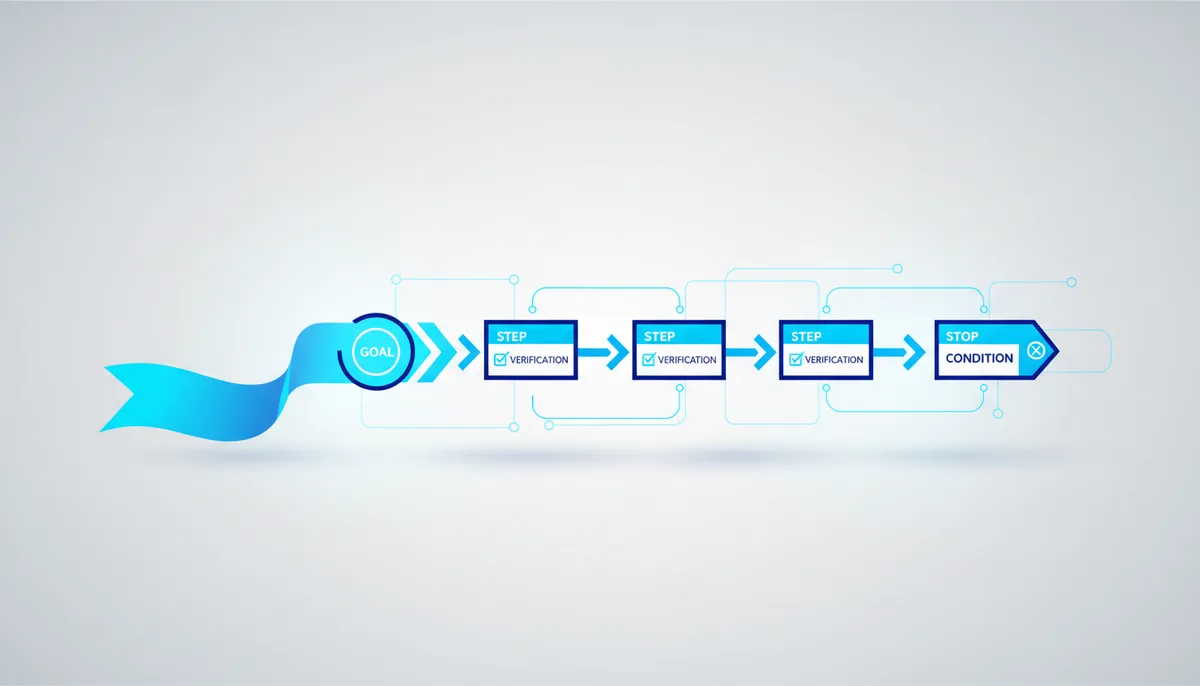
What for: give an agent that clicks around a browser or OS a reliable script — goal, step-by-step flow, per-step checks and stop conditions.

A brief for an AI agent with tools
What for: brief an autonomous agent (web/code/files/MCP) so it doesn't wander: goal, tools, guardrails, definition of done.

Gemini English tutor: Guided Learning
How to turn Gemini into a personal English tutor with Guided Learning mode: full step-by-step prompts for grammar, speaking and your own files.

Architecture review
What for: assess the design rather than the lines — coupling, bottlenecks, scalability, risks and tech debt, with prioritized recommendations.

Open-loop technique for carousels
How to cut a sentence at the slide boundary so people swipe through the whole carousel — a working prompt, the mechanics and a JSON example.
Lean Canvas for a business idea
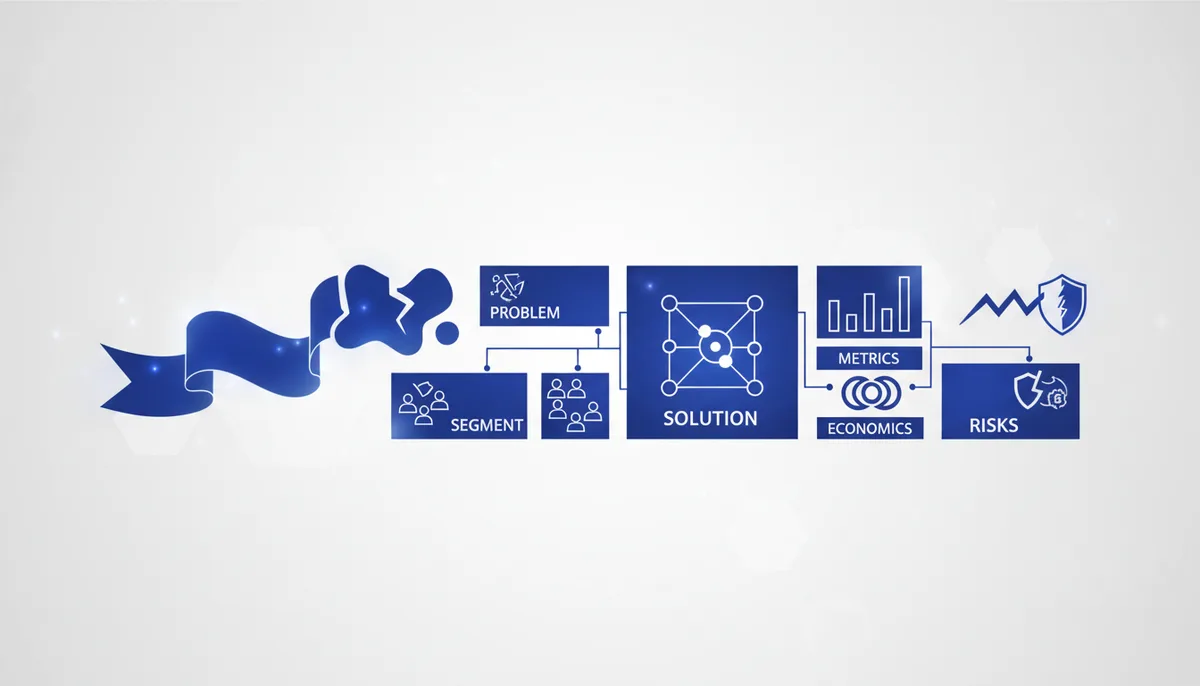
What for: compress an idea into a Lean Canvas — problem, segment, solution, metrics, economics — and see the riskiest gaps.
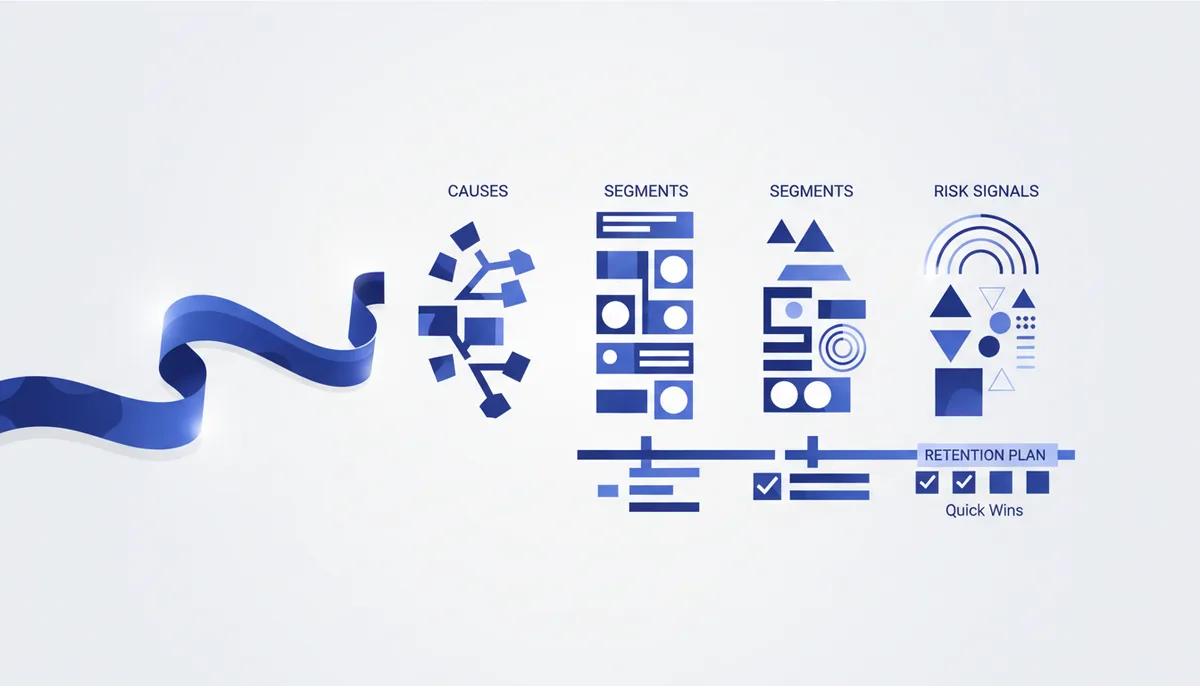
Churn analysis: causes and fixes
What for: break churn down into cause hypotheses, segments and early risk signals, and get a retention plan with quick wins.

Claude Project: JSON carousel prompt
How to set up a Claude Project that builds a carousel as JSON from a template — system prompt, setup steps and quick chat edits.
7 Claude prompts for your job search
7 working Claude prompts — rewrite your resume for ATS, tailor it to a job, sharpen experience bullets, write a cover letter and a recruiter DM.
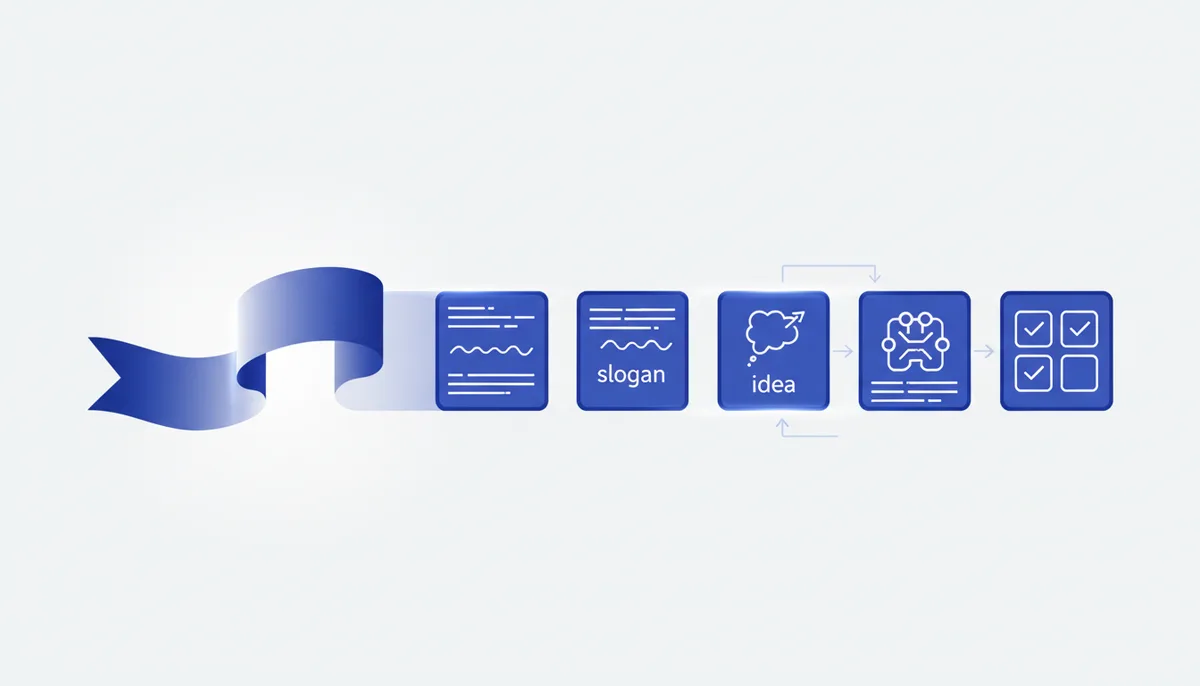
4 tests for Claude brand prompts
Claude handed you a symbol, a slogan and a brand idea — how do you tell a working result from pretty filler? 4 test prompts with hard criteria.
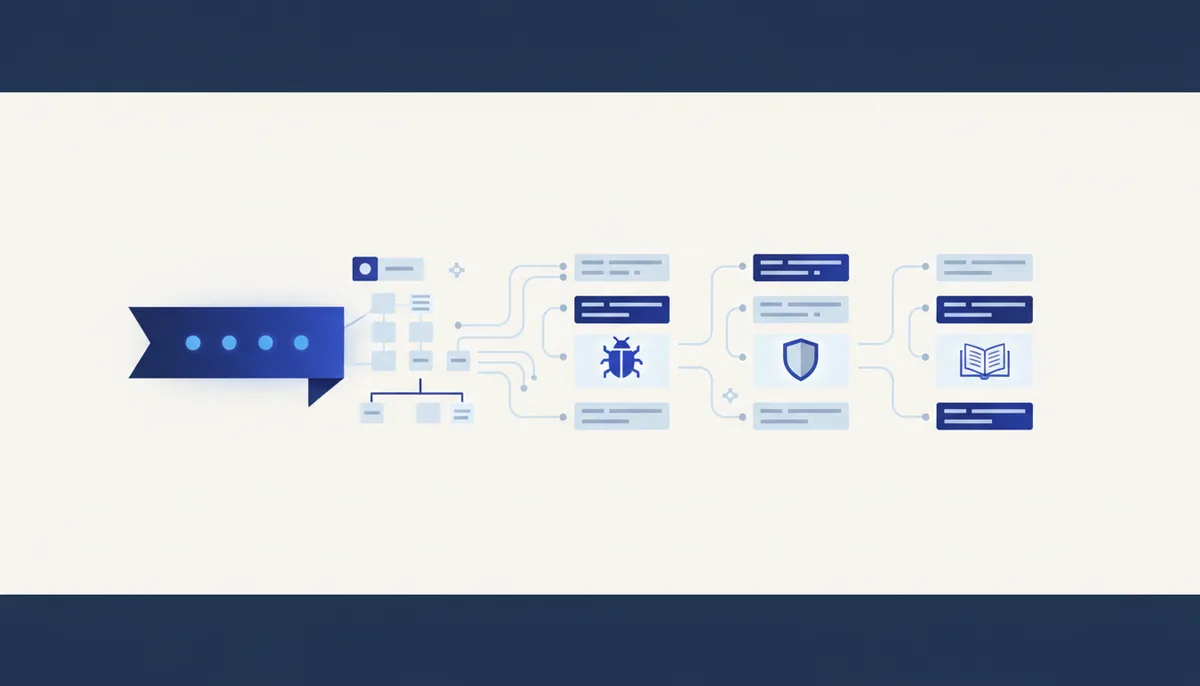
Code review by checklist
What for: get a review of your change the way a senior would do it — bugs, security holes and readability, with severity.

Cold outreach: B2B first-touch email
What for: a short cold B2B first-touch email — personalised, about the client's pain, with a soft CTA, no spam and no hard sell.

Claude for niche content and traffic
What for: turn Claude into your niche's content engine — a month-long plan with rubrics, a funnel and a traffic focus. Prompt and setup inside.

Weekly content plan (7 posts)
What for: get a week of posts built around a single goal, with the format, topic, hook and CTA already worked out for each day.

Clause-by-clause contract review
What for: quickly grasp what a contract actually says and where the risks are buried, clause by clause. It does NOT replace a lawyer.

Customer persona / ICP from data
What for: turn customer data (reviews, interviews) into a persona and an ICP — pains, goals, objections, channels, language. From data, not guesswork.

Dataset analysis: CSV to findings
What for: drop in a table or CSV and get a structured breakdown — what's in the data, anomalies, 3-5 findings and which charts to build.
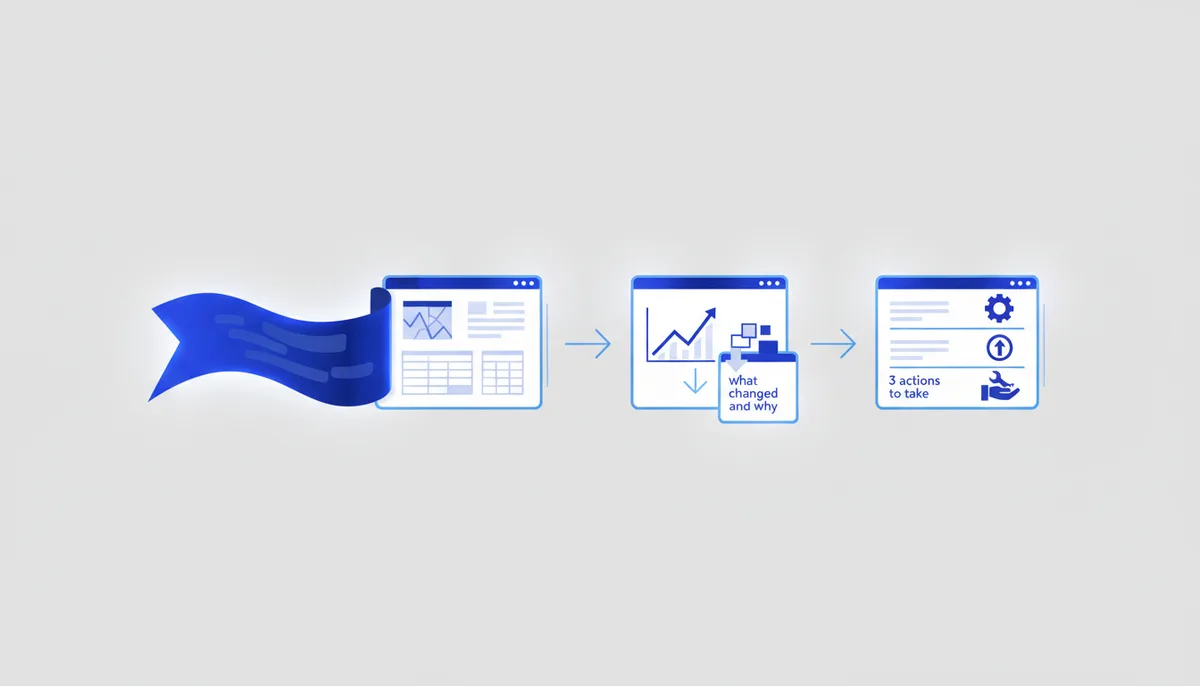
Dashboard readout: insights and actions
What for: pull out of a table or dashboard screenshot what actually matters, what changed and why, and the 3 next actions — without drowning in numbers.

Text-to-SQL from a plain question
What for: get a working SQL query from a plain-language question — you supply the table schema, you get the query with an explanation.

Find the bug: ranked hypotheses
What for: track down the cause of an error — the AI ranks the likely hypotheses and tells you how to check each one fast.

Design brief: logo, landing, banner
What for: put together a clear design spec so you get the result on the first try, instead of "just make it look nicer somehow".

Draft a complaint or formal letter
What for: quickly put together a correct draft of a complaint, application or business letter from a few inputs you provide.

Legal doc in plain language
What for: work out what an offer, policy or user agreement actually says — without the legal fog and the fine print you'd miss.
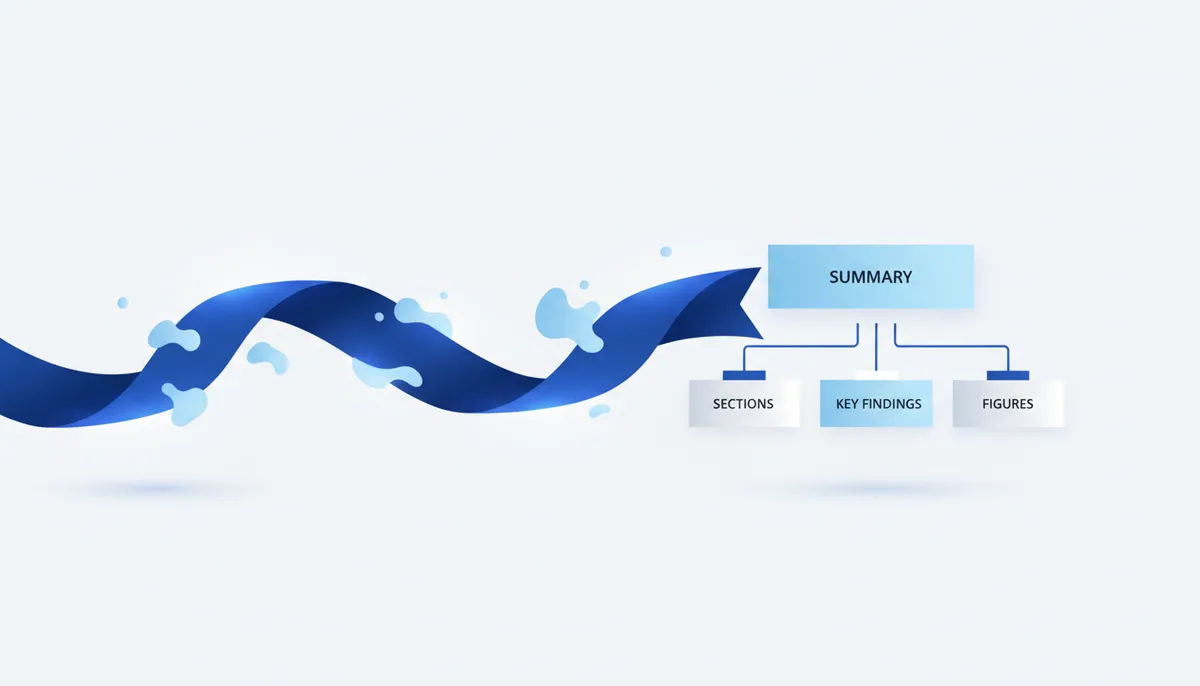
Structured summary of a long document
What for: compress a long document (report, article, chapter, manual) into a structured summary — gist, sections, key takeaways and numbers.

Niche warm-up as a Claude Skill
What for: build a niche nurture sequence (emails, stories, posts) once and freeze it into a Claude Skill so you stop re-pasting the prompt.

Chain-of-Thought: step-by-step AI
What for: raise accuracy on reasoning tasks (logic, maths, analysis) — the model thinks it through first and only then answers.
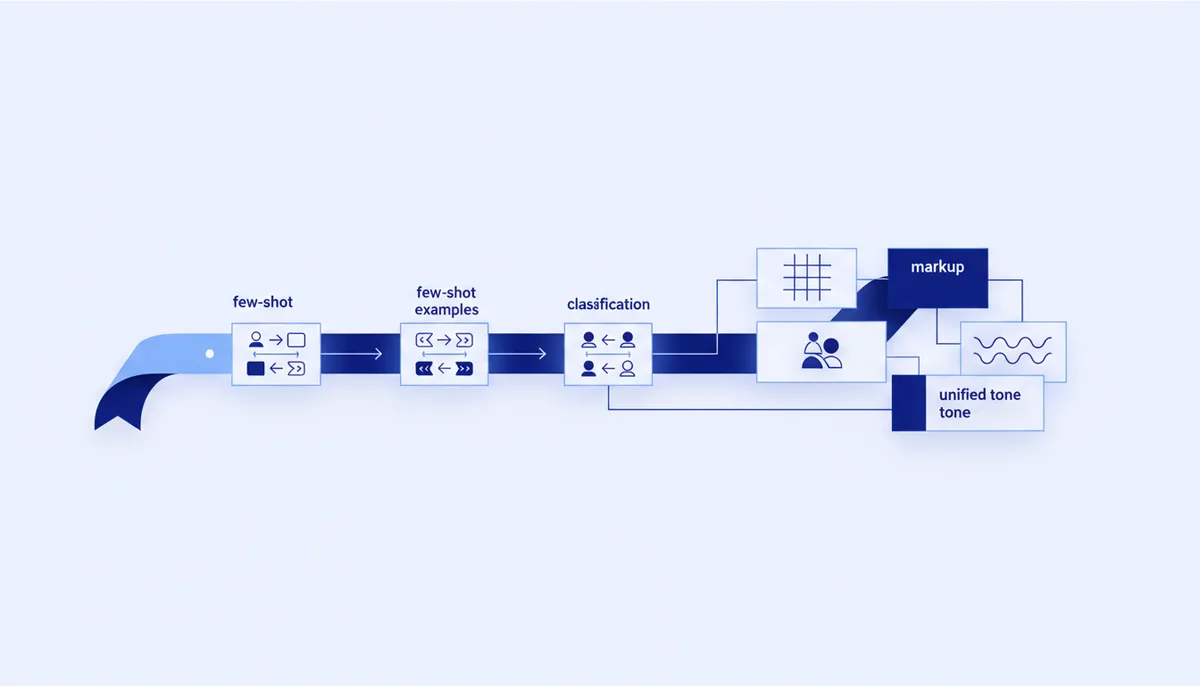
Few-shot: teach AI with 2–3 samples
What for: set the answer format and style with input → output samples when words fail — tagging, classification, a single tone.

Improve and port a prompt across models
What for: sharpen a raw request with a meta-prompt and port a working prompt to Claude, ChatGPT or Gemini, then pack it into a Claude Skill.

Studying a leaked system prompt
What for: learn techniques from the system prompts of well-known products — not by copying the text, but by analyzing structure from a link.

Persona: build an expert role
What for: give the AI a precise expert role, tone and boundaries, so the answers come back specific instead of generic filler.

ReAct: reasoning plus actions
What for: give a tool-using AI agent (search, code, APIs) a think-act-observe loop so it checks facts instead of hallucinating them.

"Explain it like I'm a junior"
What for: really understand unfamiliar code or a new concept in plain words, with an analogy, a worked example and a check question.
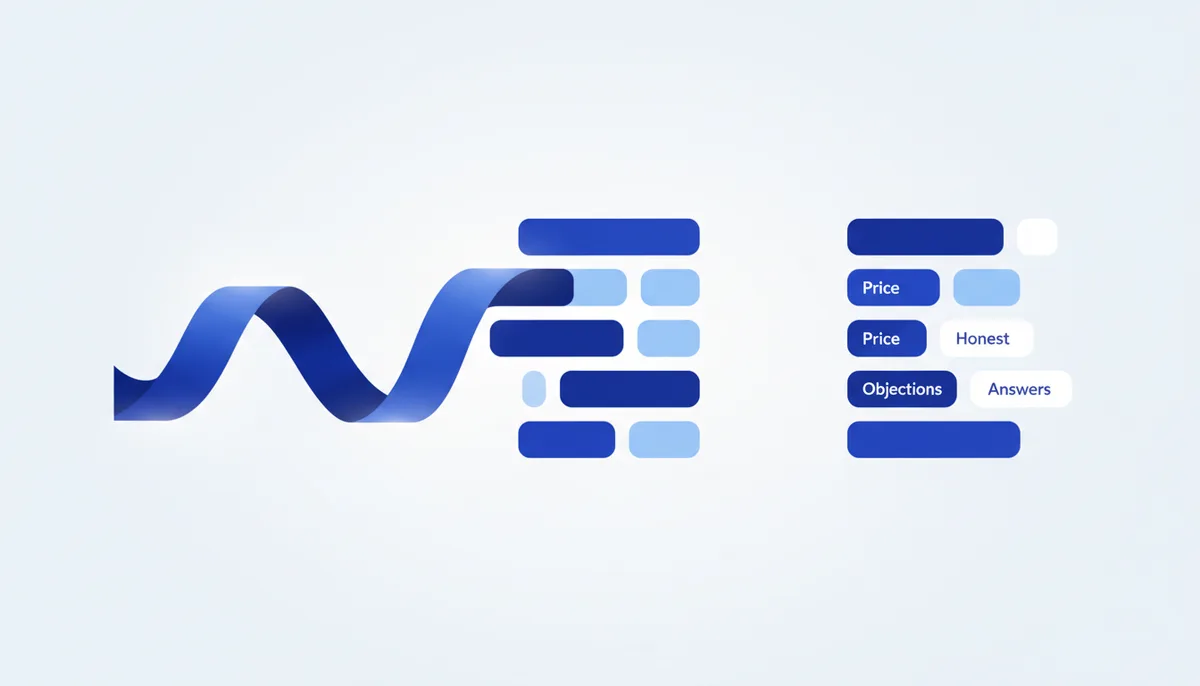
Generate a FAQ from a description
What for: turn a product or service description into a FAQ — the questions clients really ask, including awkward ones about price, with honest answers.

Feature architecture with trade-offs
What for: design how to build a feature — data model, components, risks, and 2-3 implementation options with their pros and cons.

Feature launch checklist (GTM)
What for: before shipping a feature, build a checklist across every front — product, analytics, support, marketing, risks — so nothing slips.

Founder Mode: think like a founder
Founder Mode: a prompt that makes AI answer like a seasoned founder — the actual move, the trade-offs, the risks and what almost everyone misses.

Screening CVs against a job opening
What for: match a CV to the job requirements — fit per criterion, what's confirmed, what's missing and which questions to ask at interview.

JTBD interview: guide and analysis
What for: prepare and run a Jobs-to-be-Done problem interview — questions about real experience, no leading ones, plus analysis of the answers.

How AI builds a carousel: prompts + JSON
A full prompt pipeline for social carousels — splitting a topic into role-based slides, checking every hook, and converting the result into JSON.
Teaching Claude to write Reels scripts
A style file instead of a prompt from scratch — how to strip out the stock phrases that make a text read as AI-generated.
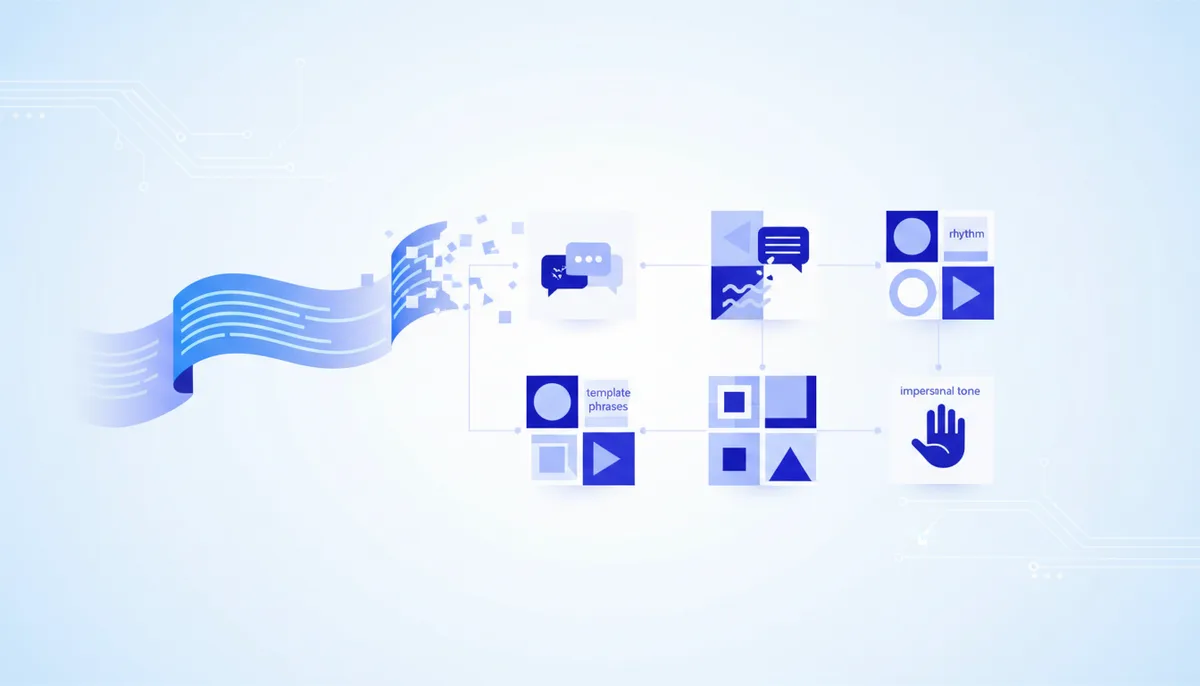
6 prompts to strip AI style from text
6 working Claude prompts that strip the flat rhythm, stock phrases and impersonal tone out of AI text — plus what each one changes.

Landing page copy (hero + blocks)
What for: write a hero section that sells and a full landing page structure built around your offer and the customer's pain.

Feynman method: explain and test
What for: understand a hard topic through a simple explanation and a quiz — the AI explains first, then examines you on it.
Learning roadmap from scratch
What for: get a week-by-week route through a new topic, matched to your level, the hours you actually have and your goal.

Personal skill plan (with practice)
What for: get a path for building a specific skill from where you are to working level — with projects, feedback loops and a progress metric.

Summarize an article or video
What for: squeeze the essentials out of a long piece — the main idea, key points and concrete steps you can actually apply.
Deal risks: what to check before signing
What for: break a deal down into typical risks and due diligence questions before you sign, so you know where it hurts. NOT a substitute for a lawyer.

Localizing UI strings with a glossary
What for: translate interface strings while respecting the glossary, tone and length limits — keeping placeholders intact and markup unbroken.
Meeting summary: decisions and tasks
What for: pull the decisions, the tasks with their owners and the open questions out of meeting notes or a raw call transcript.

Naming: name a product or project
What for: get 15 name options that fit your positioning, each checked for meaning and availability, with none of the usual cliches.

Reviewing an NDA
What for: understand exactly what you're agreeing to keep secret and where the NDA overreaches — broad wording, indefinite terms, penalties.
Negotiating and saying no politely
What for: prep for a negotiation or write a firm no that doesn't burn bridges — with arguments, an alternative and the right tone.

Quarterly OKRs: goals and key results
What for: turn "we need to grow" into 2-3 focused objectives with measurable Key Results and a quality check — ambitious, measurable, not tasks.
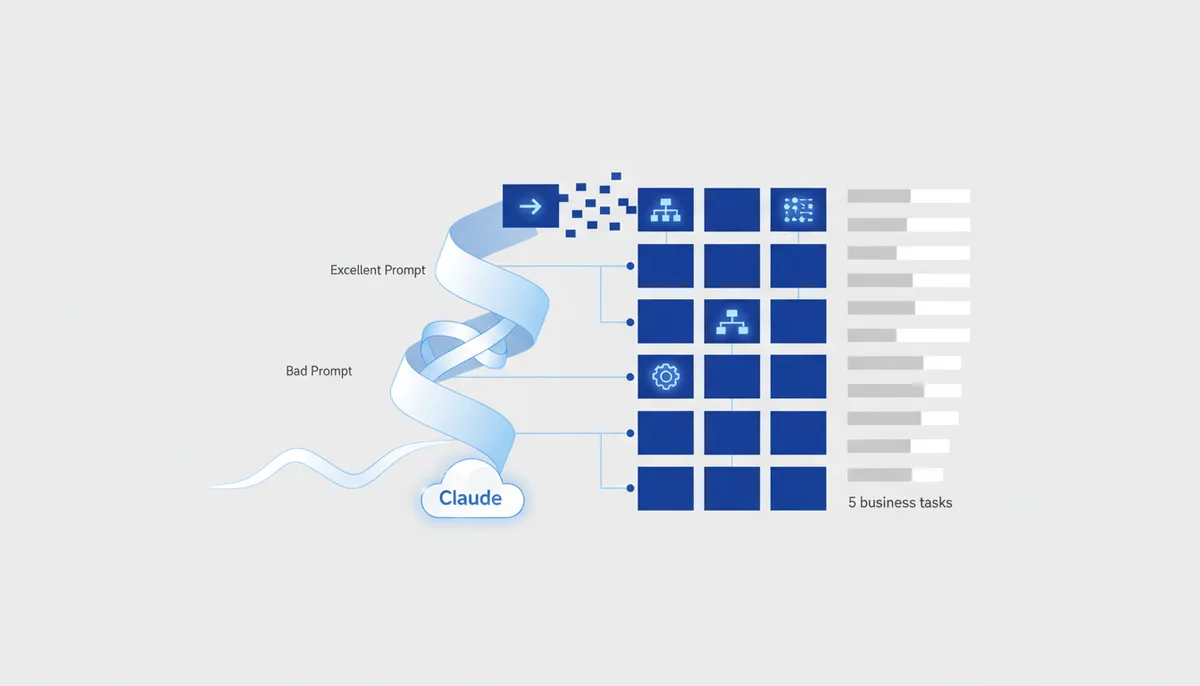
Bad, good, great prompt for Claude
Five business tasks with prompts at three quality levels for Claude: what each level adds, and what a great prompt looks like in full.

Positioning and your USP
What for: put into one strong sentence what makes your product different and why anyone should pick it over the alternatives.
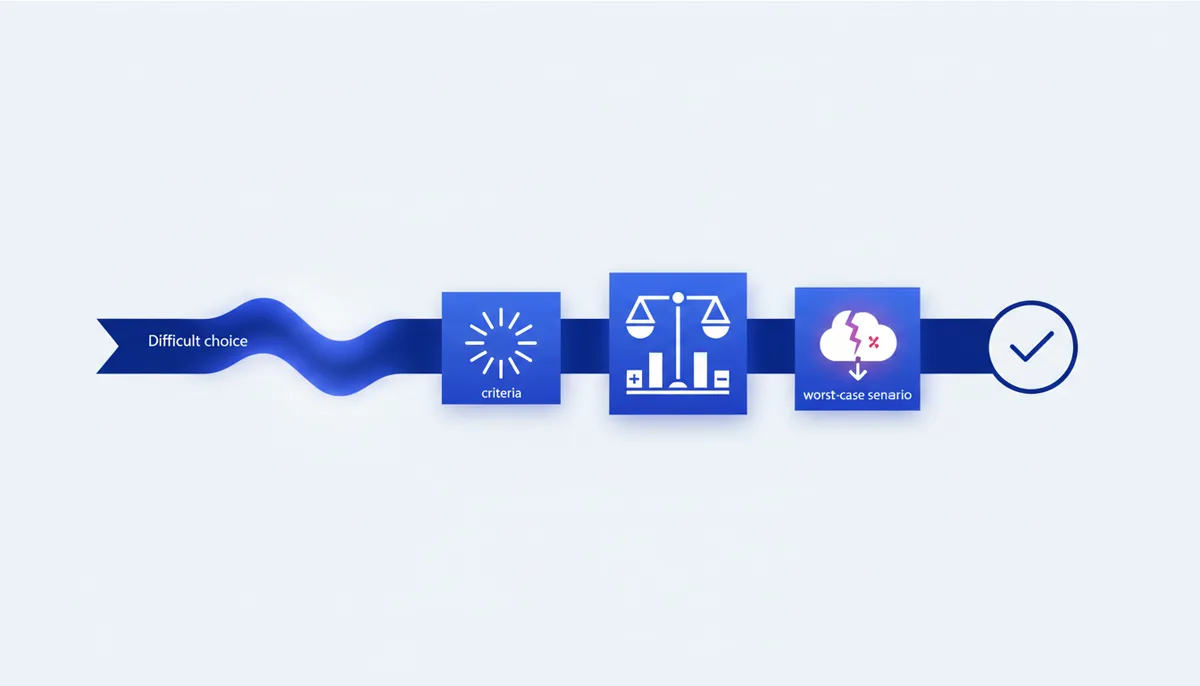
Make a decision: pros and cons
What for: break a hard choice down into criteria, pros and cons and a worst-case scenario, so you can decide with a clear head.

Replying to a difficult message
What for: put together a polite but firm reply to an awkward email — in the right tone, with the emotion taken out of it.
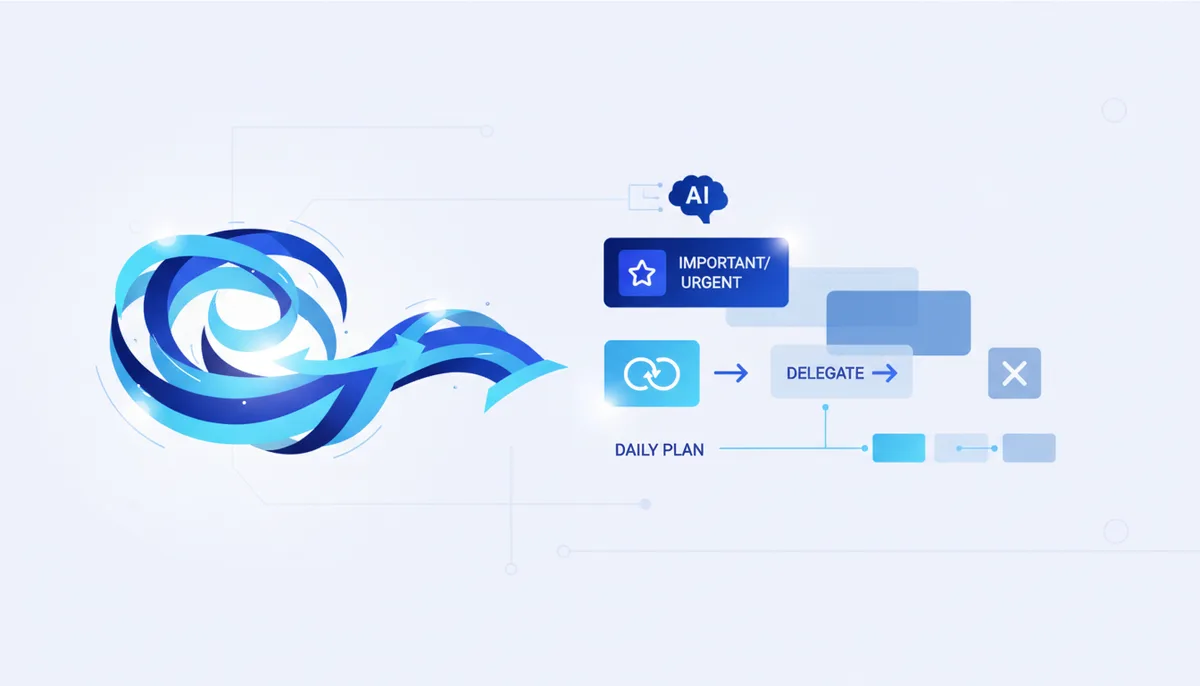
Prioritise an overwhelming to-do list
What for: turn a pile of tasks into a plan for the day — what's important, what's urgent, what to delegate and what to drop.
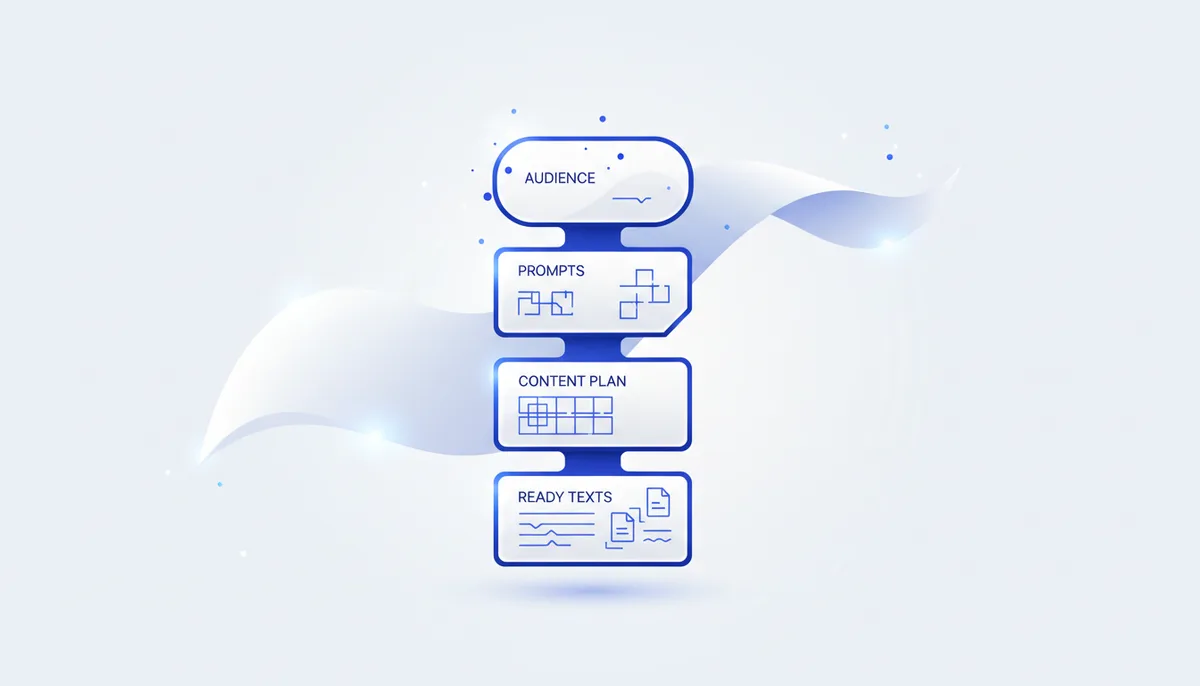
Claude prompt chain for content plan
Four Claude prompts — from audience research to finished posts — that build a month of content in a single conversation, no blank page every day.

Prompts for a personal brand in Claude
Four Role→Task→Steps prompts that build a personal brand in Claude — full texts, the order to run them in, and how to turn them into a skill.

Refactor without changing behavior
What for: improve code readability and structure without breaking anything — with an explanation for every single change.
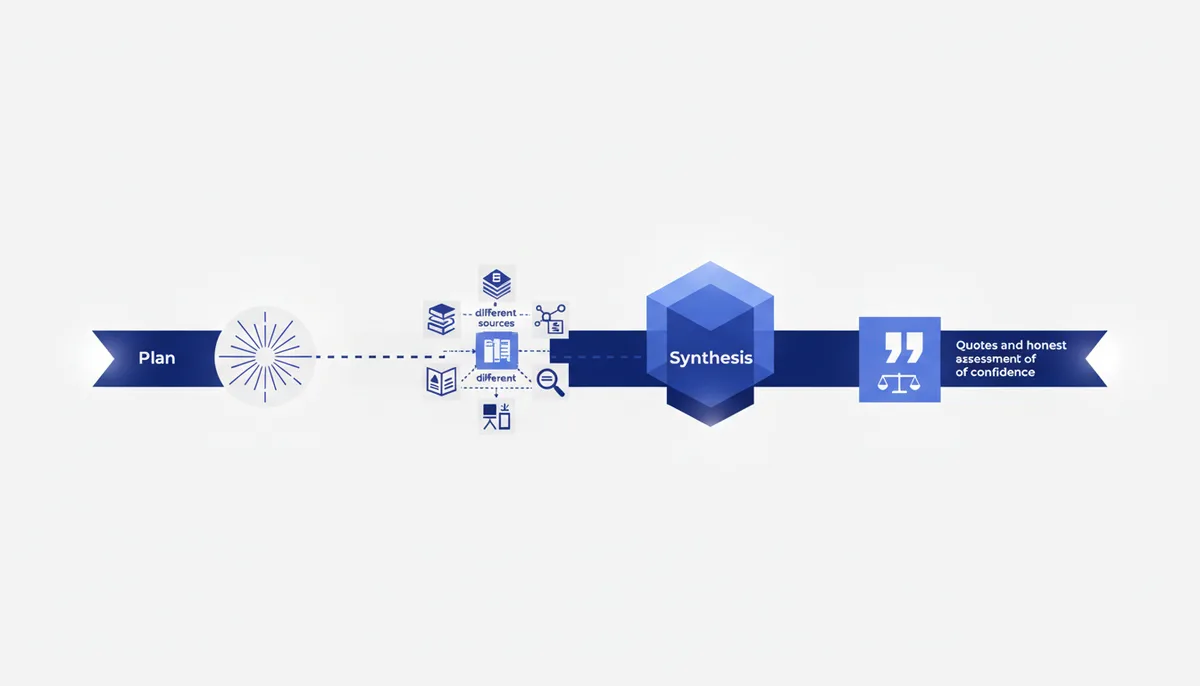
Deep research: plan, sources, synthesis
What for: run a multi-step investigation of a question — a plan, varied sources, synthesis with citations and an honest confidence call.

Tailoring a resume to a job posting
What for: fit your resume to a specific job — find the gaps and inconsistencies, sharpen your accomplishments, get past automated filters.
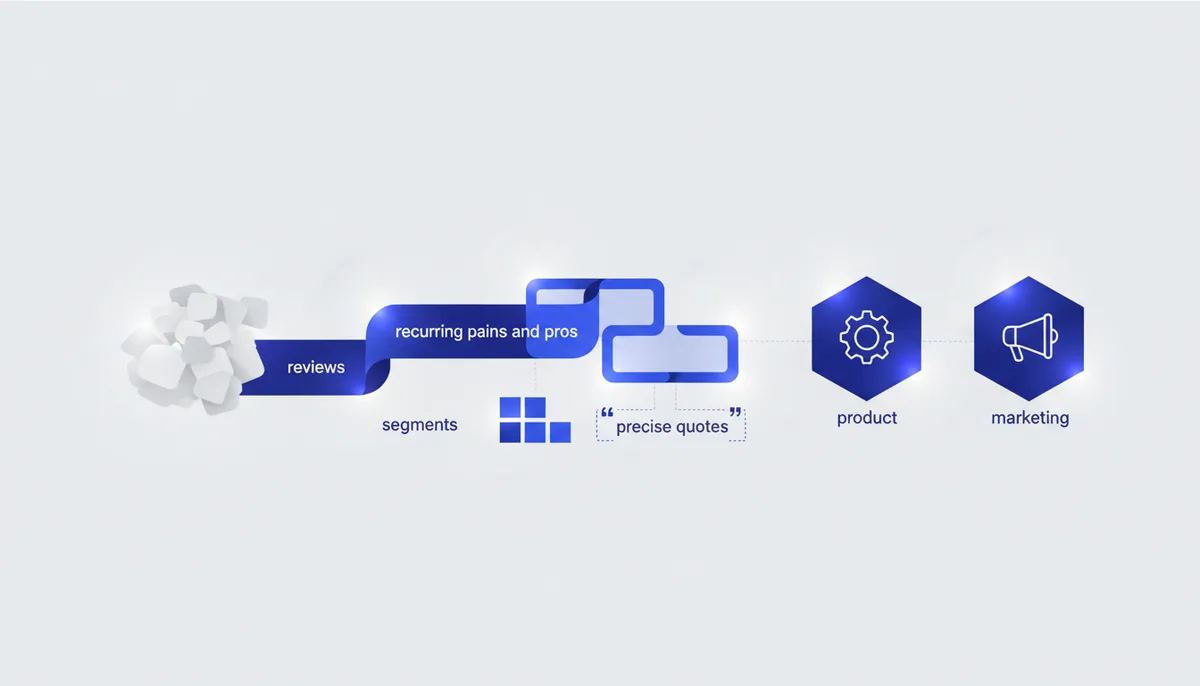
Review analysis: pains, insights, quotes
What for: pull recurring pains and strengths, segments and exact quotes out of a pile of reviews — for both product and marketing.

🛡 Prompt security (cheat sheet)
What for: keep your secrets out of third-party AI and avoid falling for prompt injection hidden in files, pages and emails.
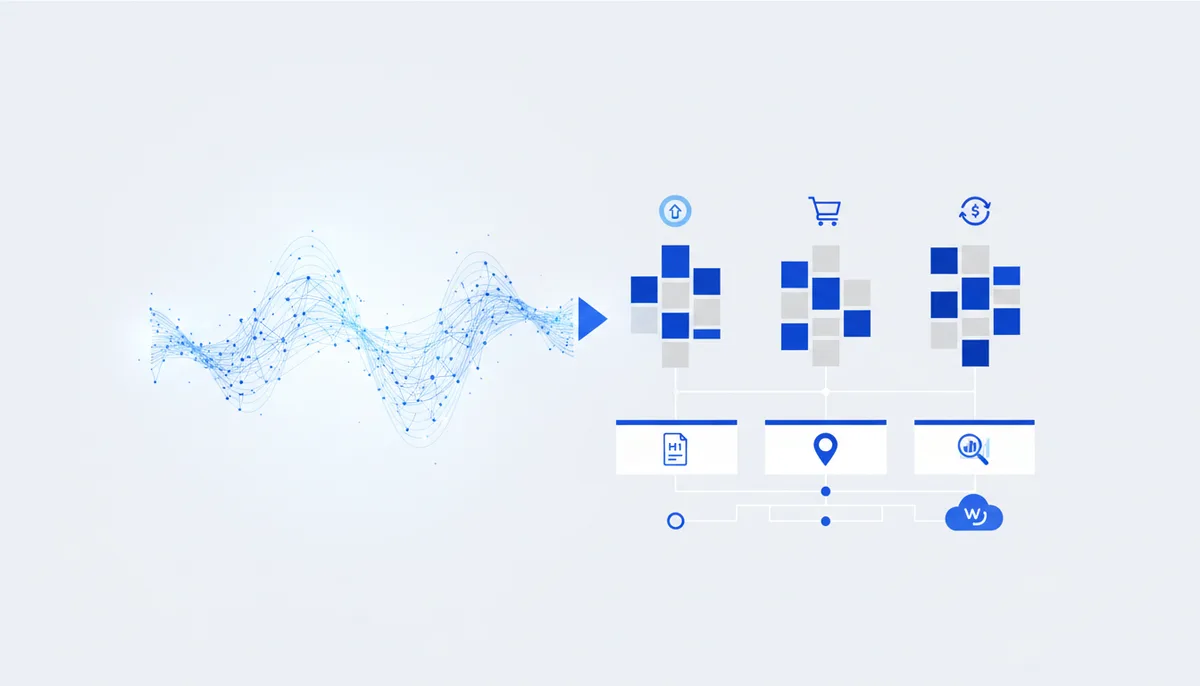
SEO keyword clusters (by intent)
What for: turn a topic into keyword clusters by intent (info/commercial/transactional) and a "cluster - page - H1" map. Get volumes from Wordstat.

Shorts hook: 3 options in 10 sec
What for: get 3 gripping opening lines that hold the viewer through the first two or three seconds of a Short, instead of a swipe.
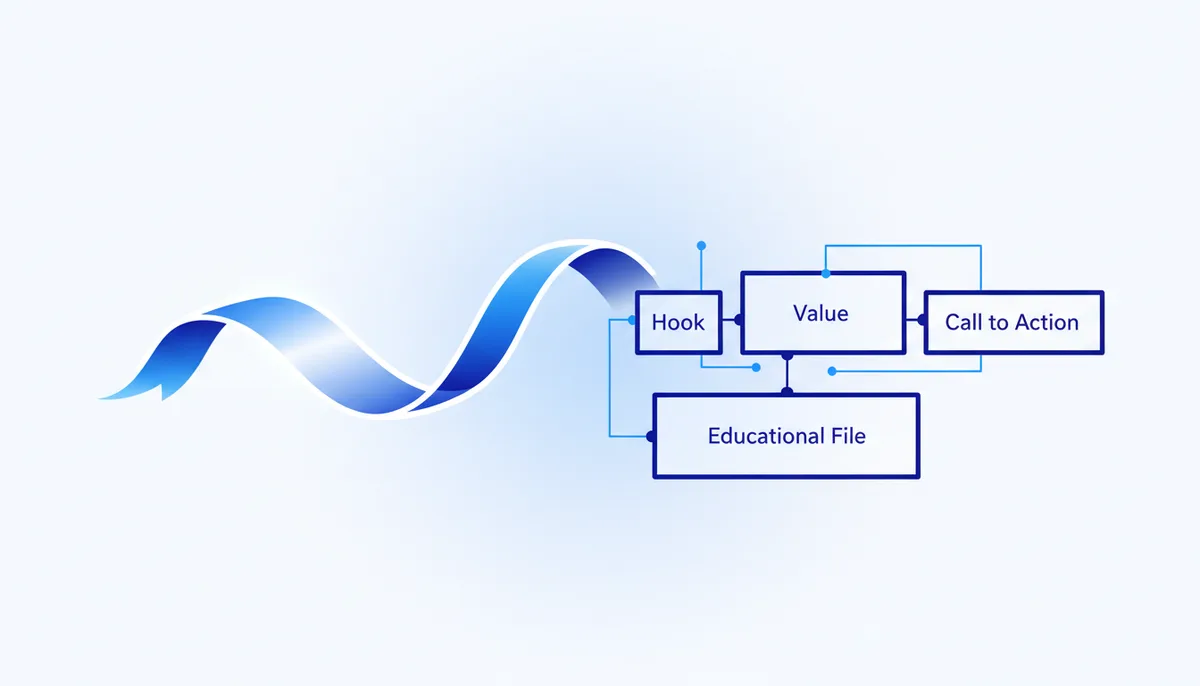
Reels script: hook→CTA + a training file
What for: a 40–60 sec Reels/Shorts script built on the hook → retention → value → CTA formula — as a one-off prompt or a training file in Claude.

Site by reference: /goal orchestrator
Build a site by reference in Claude Code: the /goal agent codes it for your product and self-checks with screenshots until it matches.

Sprint retro
What for: turn messy sprint notes into an honest retrospective — what worked, what didn't, root causes, and 2-3 improvements with owners.

Text classification by your categories
What for: sort incoming items (tickets, reviews, leads) into your own categories with clear definitions and an "other" tag instead of guessing.

Schema-strict JSON extraction from text
What for: pull fields out of text, email or a document strictly into your JSON — no chatter, null for missing values, ready for APIs and tables.

Support replies from your knowledge base
What for: answer customers using only your own articles and docs — with a cited source and an honest "I don't know", no invented facts.

Test data generation
What for: realistic test/seed data for your schema — with edge cases and "dirty" rows in JSON / SQL / CSV. Synthetic only, no real personal data.

Thumbnail concepts — 3 ideas
What for: come up with the visual for a video thumbnail — what's in frame, the text, the emotion and the colour contrast.

Shift the tone: formal or casual
What for: rewrite a text in a different tone (firmer/softer, formal/friendly) for your audience and channel, keeping the meaning and facts intact.

Translation that keeps tone and context
What for: translate a text by meaning, tone and cultural context rather than word for word — so it reads naturally instead of machine-made.
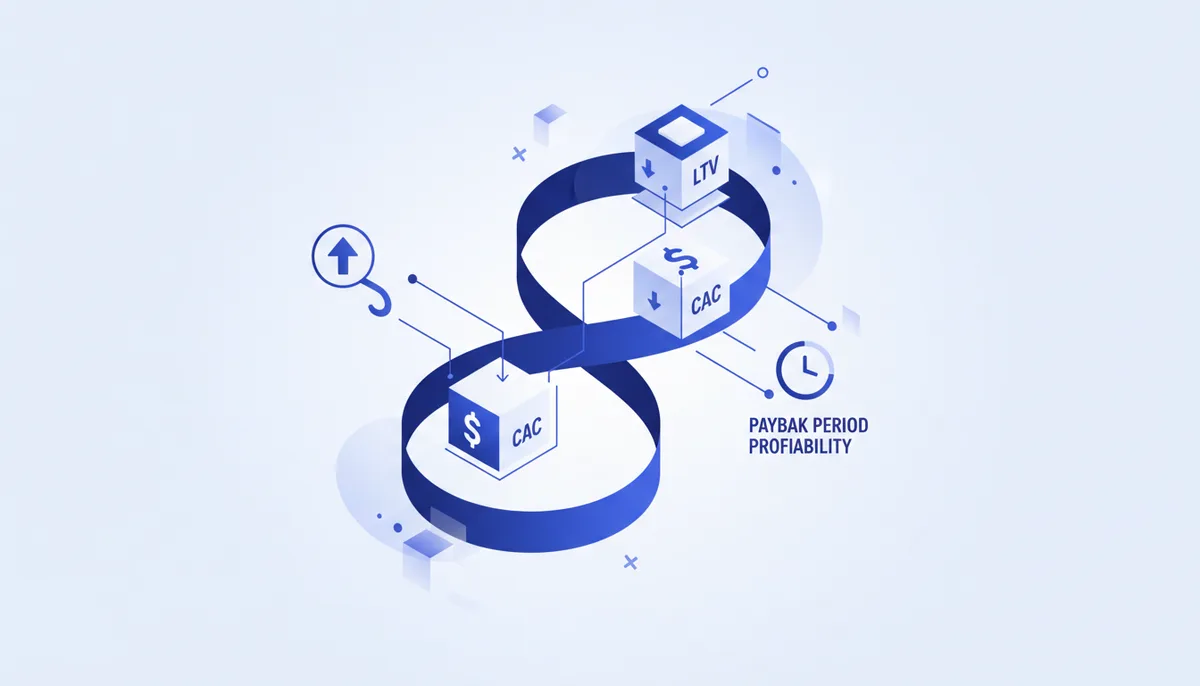
Unit economics: calculate and explain
What for: work out CAC, LTV and payback period from simple inputs and see whether your business economics actually add up.

Claude context file for US-style Reels
The viral "Claude file US creators grow Reels with" is really Claude Projects: a context of proven hooks and your voice, so scripts come out on-brand.

Validating a business hypothesis
What for: break a product idea down into risks and testable assumptions, so you don't spend months building something nobody needs.

Value Proposition Canvas: offer vs pain
What for: match customer pains and gains to what the product actually delivers — so the offer hits a real need instead of thin air.

Brief and structure for video/deck
What for: build a clear brief and structure for a video or deck — goal, audience, key message, screen-by-screen plan, tone and done criteria.

Cut a long video into Shorts
What for: mine a long video's transcript for 3-5 self-contained moments with timecodes that work as standalone vertical clips.

Prompt: AI's own selfie — variations
A viral prompt for generating a "random selfie" from an AI's perspective — full text, why imperfection works, and variations for generators.

Image prompt for Midjourney/FLUX
What for: build a controllable image prompt with the subject → environment → light → style → framing → parameters formula, not a tag soup.

Video generation prompt: Sora/Veo/Kling
What for: describe a clip so a video model gets the scene, camera movement and timing — a controlled shot instead of a random one.
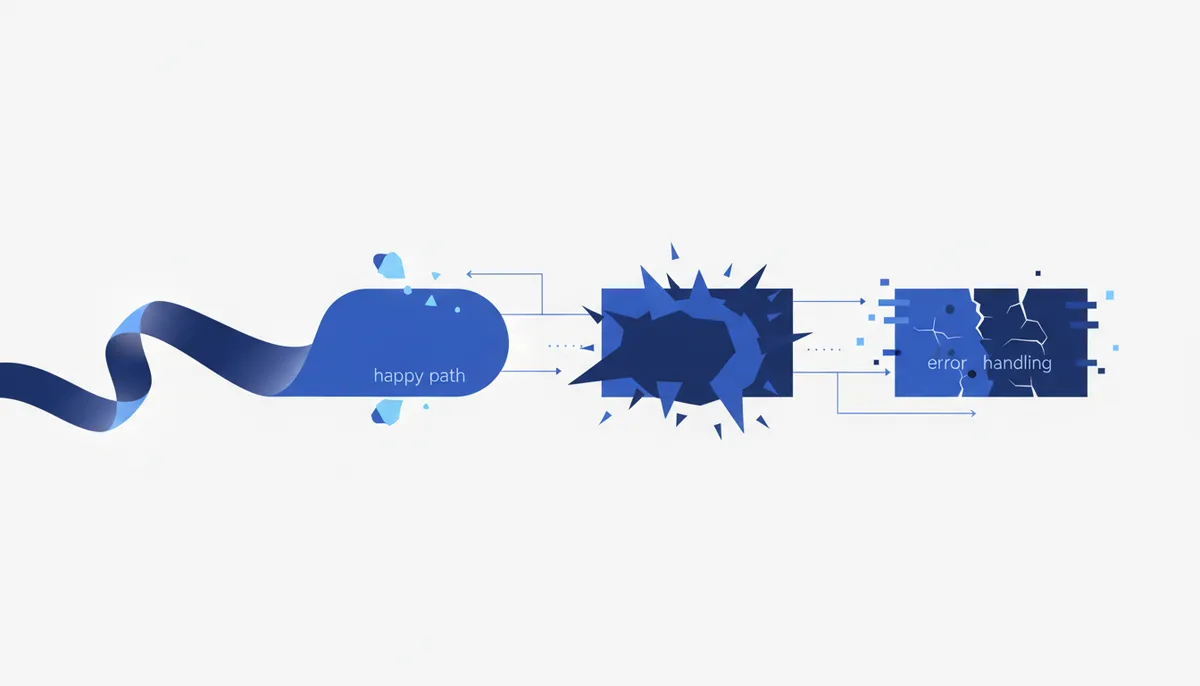
Write tests (happy / edges / errors)
What for: generate tests for a function in one pass — the happy path, the edge cases and the error handling, plus what stays uncovered.

Edit plan from transcript + timecodes
What for: turn a raw transcript into an edit plan — what to cut, splices by timecode, where to put B-roll, title cards and music.

Game design: balance and economy
What for: work out difficulty curves, progression and resource economy — formulas, numbers and a check against grind and inflation.

Playable game prototype in an engine
What for: get a runnable code skeleton for your game in the engine you picked — scene, input, core mechanic, win and lose loop.

Game Design Document (GDD) from one idea
What for: turn a raw game idea into one structured doc — core loop, mechanics, progression, content and the scope of the first version.
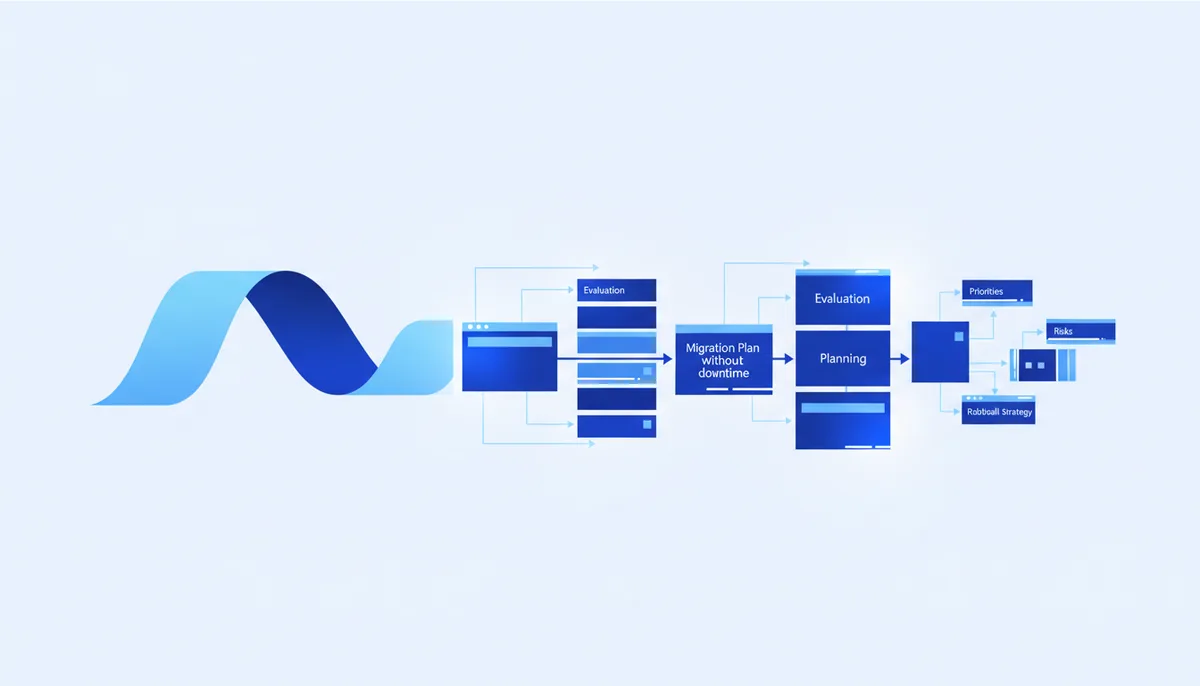
Legacy migration plan: assess, step
What for: assess old code and build a step-by-step migration plan with no downtime — priorities, risks and a rollback for every step.

MVP architecture: stack, DB, phases
What for: turn a product idea into MVP architecture — a justified stack choice, data model, key risks and launch phases.

Quest and branching NPC dialogue
What for: write a quest with objectives and endings plus an NPC dialogue tree with real character, branches and reactions to player choices.

Pixel-art and game-asset brief
What for: get a precise prompt-brief for sprites — palette, size, style, animations, tileset — shared across every asset in the game.

Spec-driven app spec for a coding agent
What for: write an executable spec (requirements + contracts + acceptance criteria) as the single source of truth for a coding AI agent.

Script + storyboard, shot by shot
What for: turn a topic into a shot-by-shot script — voiceover, what's on screen, shot type and the duration of every single shot.

YouTube titles: 10 options for CTR
What for: get 10 clickable titles for your video, grouped by technique, without sliding into clickbait that lies about the content.
More from the qvib arsenal
Every card is vetted before it lands here: what the tool is for, how to set it up, and where it falls short. Browse all sections → · Read the in-depth guides →