Trends
Trends for vibe-coding — 98 cards, translated to English. Читать по-русски →
All trends cards — 98 in total
"Agent washing" — hype vs reality
What for: learn to tell a real agent from a repainted chatbot amid mass rebranding as "agentic" without any real autonomy.
Agentic coding as work
What for: AI agents write and fix code on their own — development shifts from typing lines to assigning tasks and reviewing agents.

Agentic workflows for work
What for: AI stopped being a chat helper — an agent does multi-step work itself: searches, decides, acts inside your tools.

Analytics in plain words (text-to-SQL)
What for: ask your data in plain language — "revenue by region last quarter" — and get an answer or chart with no SQL and no analyst.

AI compliance: AI Act, ISO 42001, Vanta
What for: clear AI regulation without the manual hell - Vanta automates SOC 2, ISO 27001, ISO 42001 and the EU AI Act: tests, policies, evidence.
AI onboarding and HR screening
What for: AI screens resumes, talks to candidates and automates onboarding — it cuts time-to-hire but starts an algorithm arms race.
AI influencers for brands
What for: virtual AI characters promote products — a fully controllable ambassador with no celebrity fees and no reputational surprises.
AI resumes and careers
What for: AI tailors a resume to the job post and to ATS filters — an algorithm arms race at the hiring gate, running on both sides.

AI SDR — sales agents
What for: an AI sales rep finds leads, writes personalized touches and runs first-line outreach — cold outreach at scale, no new hires.

AI tutors and edtech
What for: a personal AI tutor guides the student with leading questions instead of handing over the answer — 1-on-1 learning at scale.
Answer engines instead of search
What for: the Perplexity effect — people ask and get a finished answer with sources instead of a list of links. A shift in search habits.

GEO/AEO — optimizing for AI answers
What for: the new SEO — landing not in the top-10 links but inside the ChatGPT/Perplexity/AI Overviews answer as a cited source.

Hyper-personalization in marketing
What for: AI generates content, offers and timing for each recipient in real time — not "segments" but individual messages at scale.

MCP — the "USB-C for AI agents"
What for: one open protocol that plugs an agent into any data and tools — the standard the whole agentic ecosystem is being built on.
AI meeting notetakers
What for: AI listens to the call, writes the summary and pulls out decisions and action items — the end of manual notes and "what did we agree on?"
Micro-SaaS in a weekend
What for: vibe-coding killed the barrier — a working paid product ships in a weekend and time to first dollar fell from weeks to days.
No-code AI automation (n8n/Make)
What for: build a workflow with AI nodes visually and without code — wire your apps, data and models into a single autopilot.
The one-person company, run on AI
What for: the content system and business model of a solo creator on AI - the pipeline from script to edit, revenue streams, and which numbers are real.

AI agent pricing (per-outcome)
What for: you pay not for seats or tokens but for the result — a closed ticket, a booked meeting. A new software pricing model.

Prompt injection in resumes
What for: people hide instructions in documents to fool AI screening — a new grey tactic and a security threat rolled into one.
AI support 24/7 (deflection)
What for: an AI agent closes 70–90% of support tickets around the clock — a sharp cut in human workload and in cost per ticket.
Task-specific agents in apps
What for: AI agents are moving straight into enterprise software — not a separate chat, but smart features inside the apps you already use.
Vertical AI SaaS
What for: narrow AI products for one industry (legal/medical/real estate) beat horizontal all-purpose tools on depth and time-to-value.

Voice AI agents (AI employees)
What for: AI answers inbound calls by voice in seconds and books appointments - a 24/7 front desk with no call center. Laser clinic case study.

AI action figure (Barbie box)
What for: understand the "turn yourself into a boxed toy" viral format and why it took off on LinkedIn of all places first.
AI ASMR: glass fruit
What for: understand the format of endlessly hypnotic AI clips with synthesized sound, and how they are actually made today.
AI horoscopes and tarot bots
What for: make sense of the wave of LLM-powered "personal astrologers" and tarot bots — what works, what to be careful with.

AI brainrot as a culture shift
What for: understand why "meaningless but weirdly addictive" AI-generated content turned into a genre of its own in 2025.
AI companions (Character.AI, Replika)
What for: understand the phenomenon of virtual friends and partners, the reasons behind it, and the risks that come with it.
AI microdramas and short series
What for: understand the boom in vertical mini-series, a format increasingly written, shot and edited end to end by an AI.
AI musicians in charts (Breaking Rust)
What for: understand how an AI-generated artist reached the top of a Billboard chart and why that chart result is contested.
AI persona clone (a copy of you)
What for: understand the phenomenon of personal AI clones — your voice, your style and "you" running as a chatbot for fans.
AI slop — the word of the year
What for: understand the term coined in 2025 for the endless stream of low-quality AI-made content flooding social feeds.
AI-UGC ads: avatars instead of shoots
What for: understand how brands replace live UGC actors with AI avatars for ads in the feed, and how to test creatives that way.
AI streamers (Neuro-sama)
What for: understand the AI host that overtook human streamers in Twitch subscriptions, and how the format actually works.
AI webtoons and comics
What for: understand how generative AI is changing the webcomics industry and why the artists themselves are pushing back hard.
AI yearbook (Epik retro selfies)
What for: understand the mechanics behind the first mass hit of the "upload your selfies, get a styled retro portrait" apps.

Animating old photos: Deep Nostalgia
What for: understand the format that animates old stills so relatives blink and smile again — and where its ethical limits are.
AI avatars for creators
What for: understand how creators clone themselves into an avatar and scale their content without ever filming another take.

Deepfakes and the trust crisis
What for: understand how realistic video and voice fakes undermine trust in what you have supposedly seen with your own eyes.
Faceless AI-powered channels
What for: understand the business model behind channels with no author's face or voice, assembled end to end by an AI pipeline.
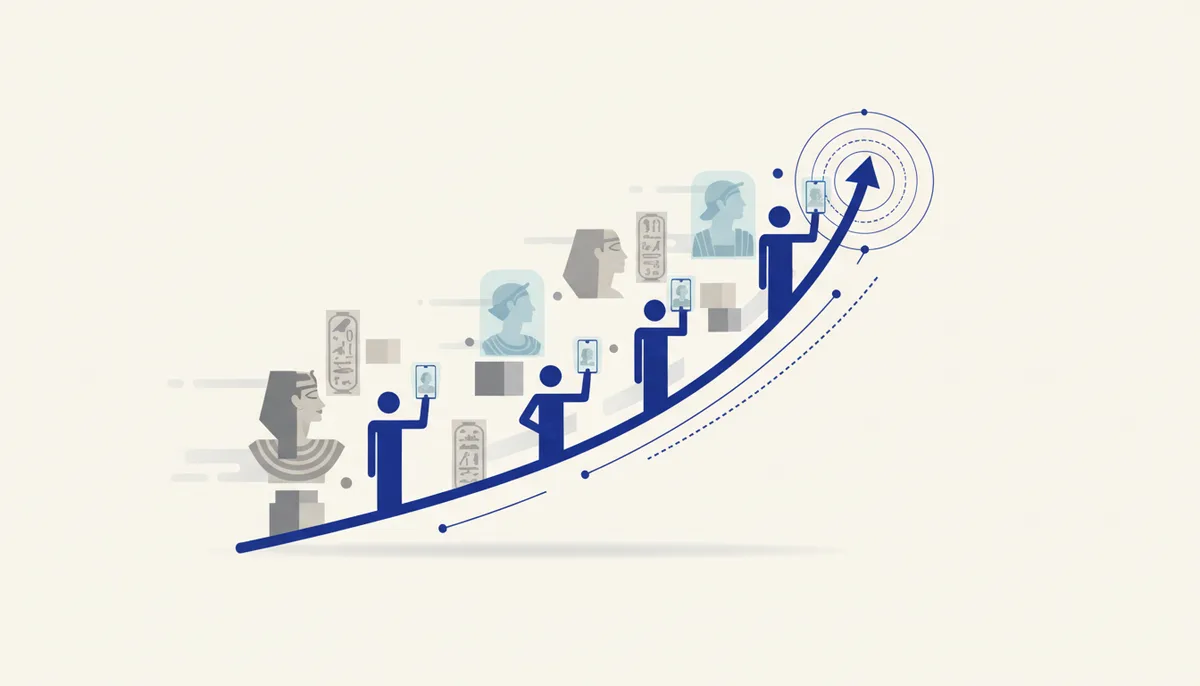
Historical selfies: the past reborn
What for: understand the "selfie with Cleopatra" format and lifelike AI portraits of historical figures, and where the line is.
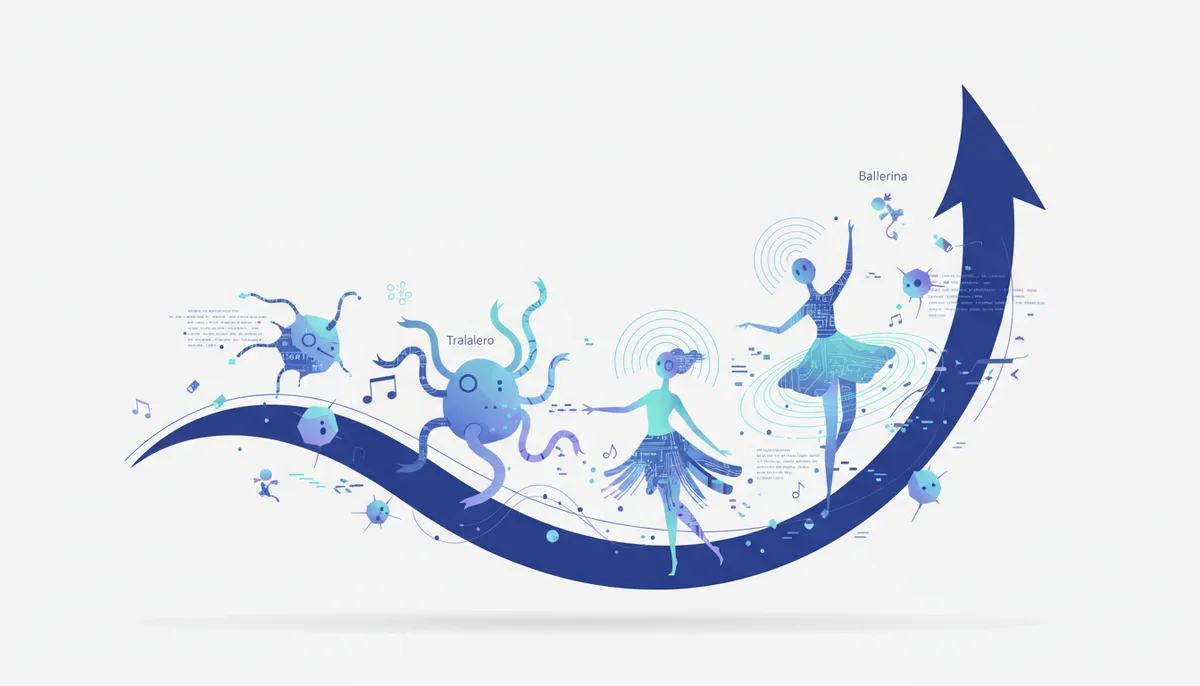
Italian brainrot: Tralalero, Ballerina
What for: make sense of the viral genre of absurd AI-made creatures with pseudo-Italian names, and how its remix mechanics work.

Non-consensual deepfakes and the law
What for: understand generation's dark side — fake intimate images of real people, the platform failures and the regulatory response.

Sora 2: AI video feed and "cameos"
What for: understand the launch of an AI social app where every clip is generated and you yourself are the star of the video.

AI flooding stock libraries and feeds
What for: understand how generation flooded stock libraries and image search with synthetics, and what that changes for your visuals.
Synthetic news anchors
What for: understand the AI presenters reading the news instead of humans, why newsrooms use them and where the trust risk sits.
The phantom AI band (Velvet Sundown)
What for: unpack the case of a "band that doesn't exist" pulling a million monthly listeners on Spotify — and what it teaches.
Virtual influencers (Lil Miquela)
What for: to understand the phenomenon of people who don't exist, yet pull millions of followers and real brand deals.
Agent as employee (digital labor)
What for: to catch the shift in rhetoric — agents pitched not as a feature but as digital labor on the payroll.
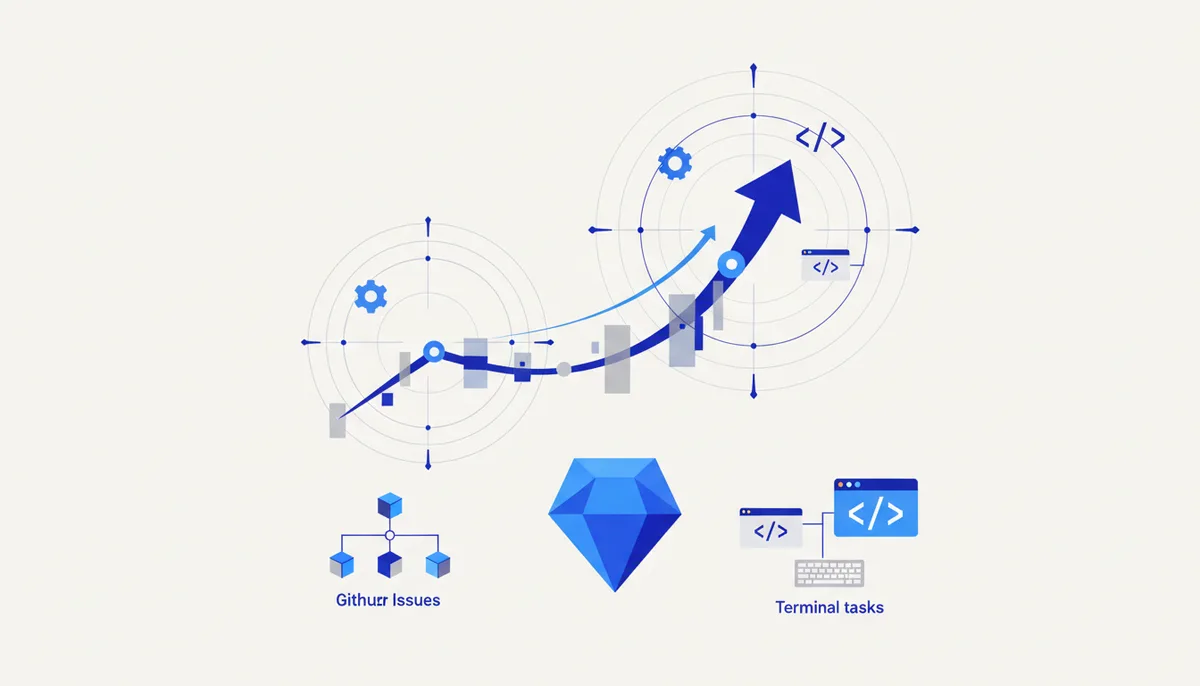
SWE-bench and Terminal-Bench
What for: to know what actually measures coding agents — real GitHub issues and terminal tasks instead of multiple-choice quizzes.

Agent memory
What for: to grasp the push toward persistent memory — the agent remembers the project and past decisions instead of restarting cold.

Agent security: prompt injection
What for: understand the top unsolved agent threat - malicious text hidden in tools or data hijacks the agent and its permissions.
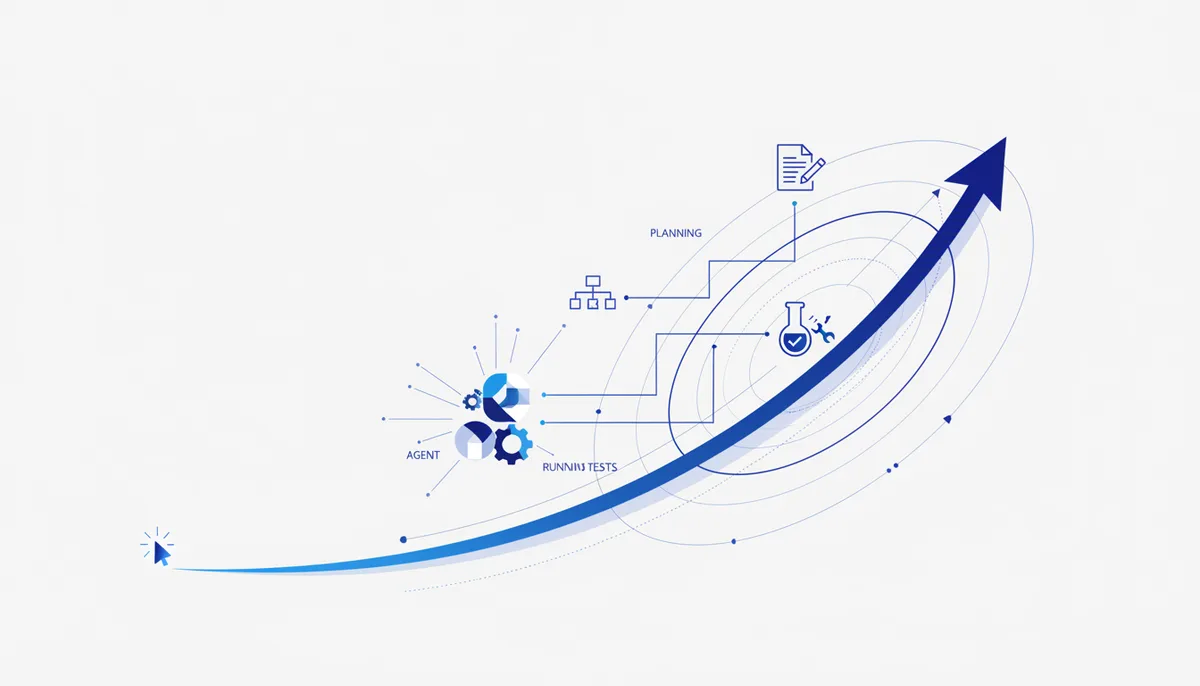
Agentic coding
What for: grasp the big shift - from line autocomplete to an agent that plans, edits files, runs tests and fixes its own errors.
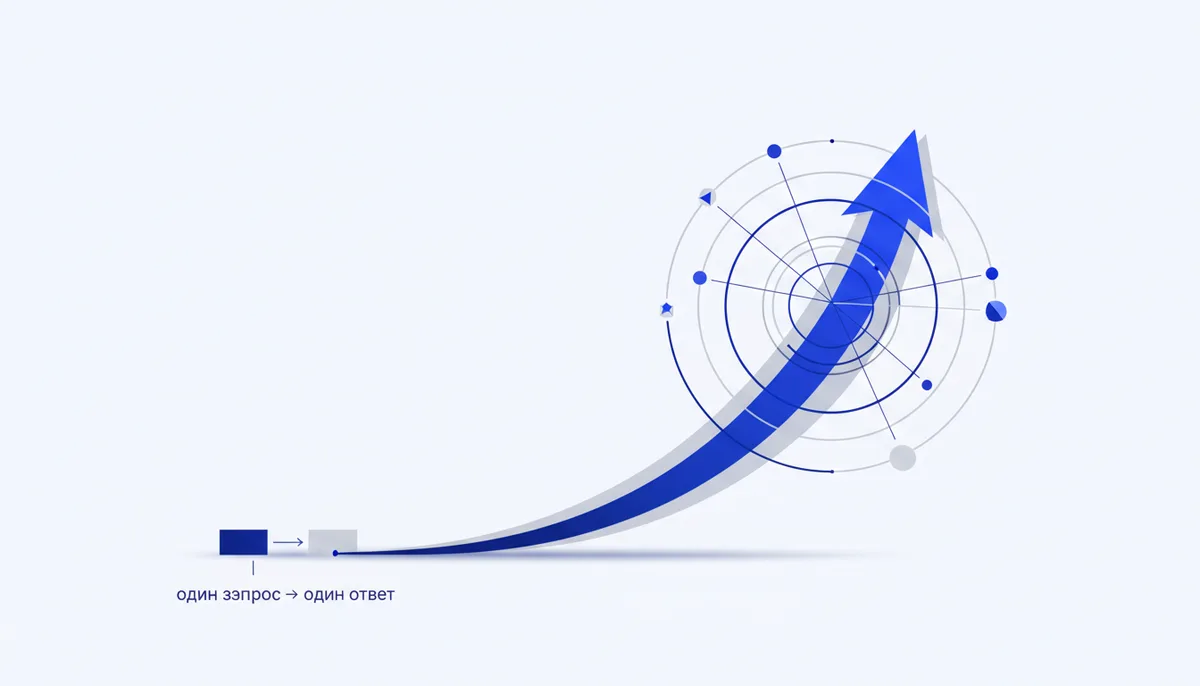
From RAG to agentic retrieval
What for: understand the shift from "one query, one answer" to an agent that plans, rewrites queries and searches repeatedly.

AGENTS.md, memory & skills for Claude
Claude's project setup as four layers: rules (CLAUDE.md/AGENTS.md), a context folder, auto-memory (MEMORY.md) and skills - what's official and what isn't.
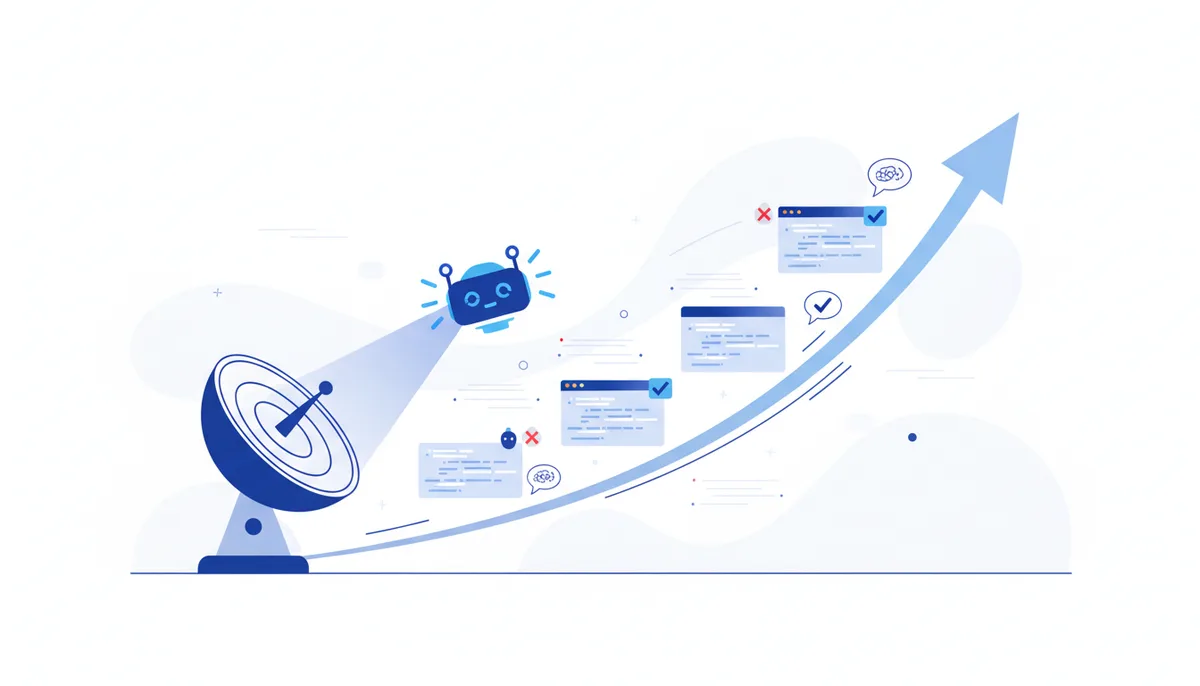
AI code review (agent reviews PRs)
What for: to see how AI review became a standard pipeline stage — a bot reads the PR, finds bugs and leaves comments.

Whole apps from a description
What for: understand the app-builder phenomenon — a single paragraph turns into a working full-stack app with a live link.
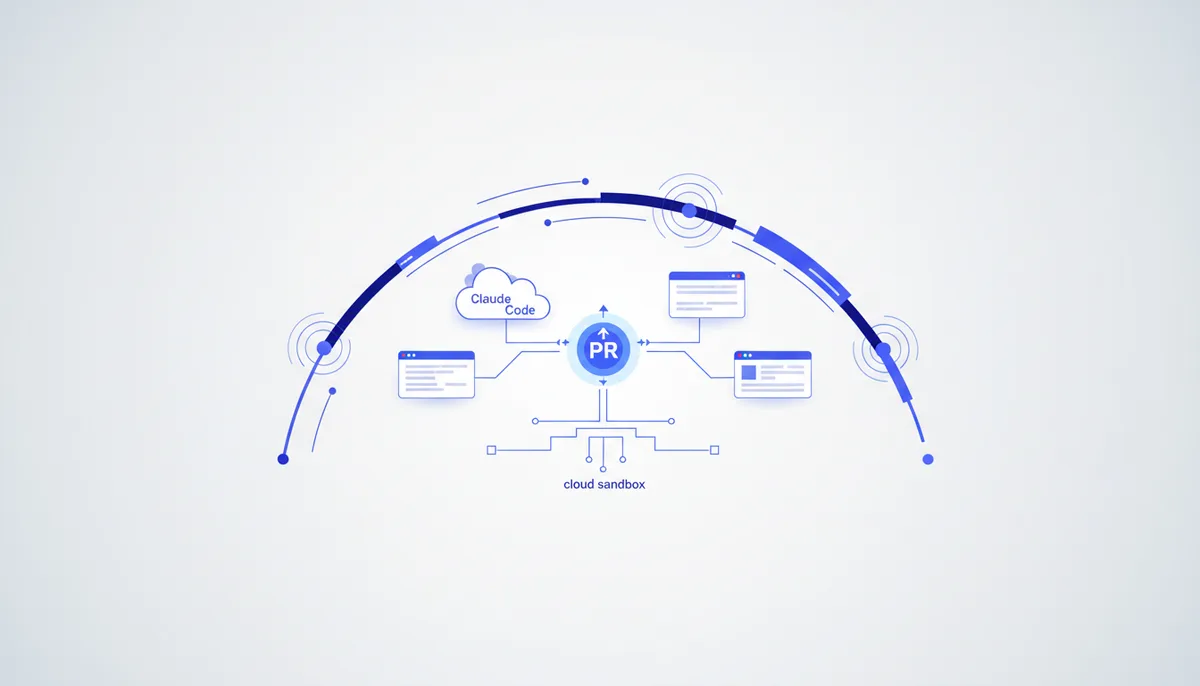
Cloud coding agents in the browser
How to run Claude Code and Codex straight from the browser with no terminal: give a task, a cloud sandbox builds the feature and opens a PR.

Computer use and browser agents
What for: to grasp the breakthrough — AI looks at the screen, moves the cursor and clicks like a human in any interface.
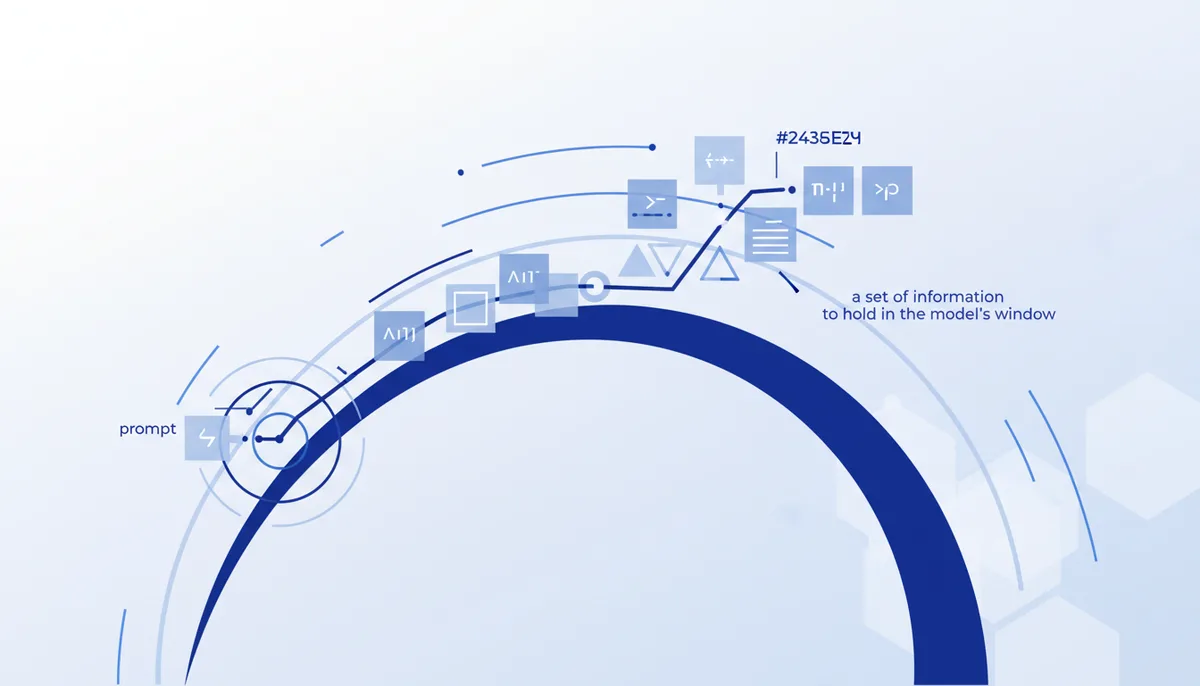
Context engineering
What for: to see why "how do I word the prompt" gave way to "what set of information do I keep in the model's window".

Cursor: the rise of AI editors
What for: to see how an AI-native editor became one of the fastest-growing SaaS businesses in history in about a year.
Devin & the "first AI engineer"
What for: understand the milestone that set the autonomy bar — an agent you delegate a whole task to, the way you would to an employee.

General agents: Manus and friends
What for: to understand the hype around the "agent for everything" — an autonomous task runner driving a browser and tools.
Local models for code
What for: understand why developers run coding models on their own hardware — data never leaves the machine and there is no API bill.
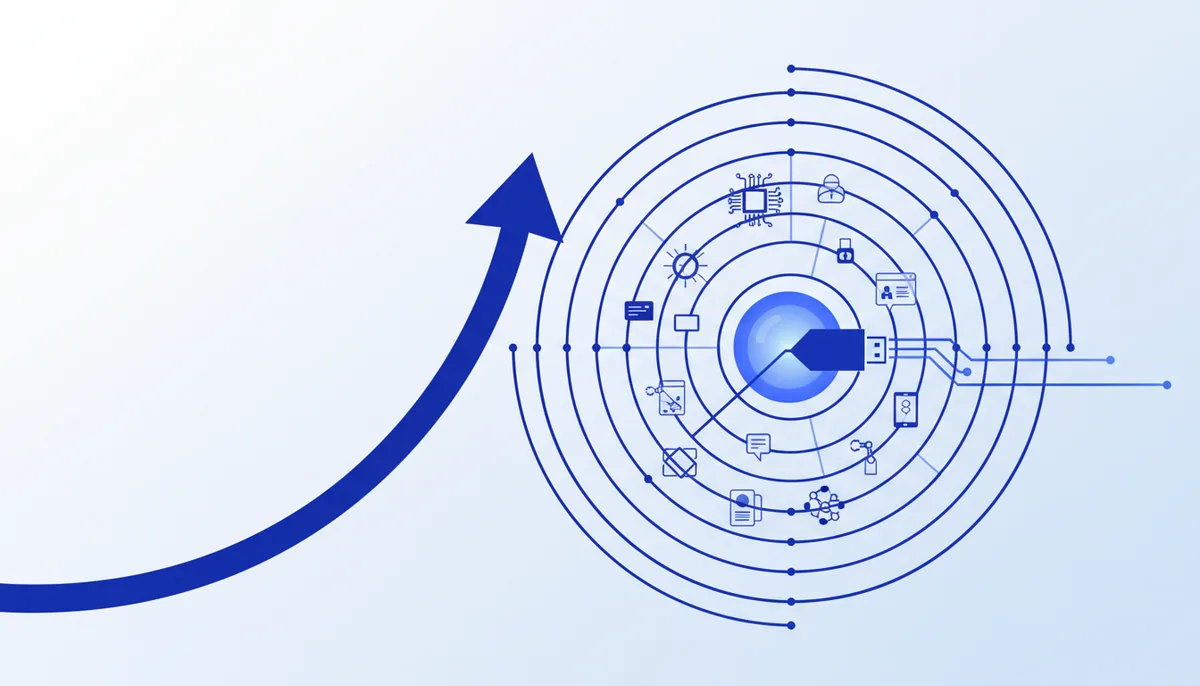
MCP: the ecosystem explosion
What for: to see how one open protocol became, in a single year, the industry standard for wiring tools into AI agents.

Standards under neutral governance
What for: understand why agent standards are handed to neutral foundations — to remove vendor lock-in and speed up adoption.

MCP registries and server marketplaces
What for: know where to get MCP servers safely — there is now an official shelf instead of a scattered pile of repositories.
One developer = a team of agents
What for: understand the "solo founder with an orchestra of agents" phenomenon — one person doing the work of a team of 10.
The productivity reality check (METR)
What for: a sober counter-trend - an RCT showed experienced devs were 19% slower with AI on familiar code, while believing the opposite.
Agent Skills
What for: understand the "skills" format — a folder of instructions and scripts that teaches an agent one specific procedure.

Spec-driven development
What for: to understand the industry's answer to vibe-coding chaos — the spec as the source of truth an agent generates code from.

Sub-agents in Claude Code (/agents)
What for: turn Claude Code into a team of parallel specialists - each sub-agent has its own context, prompt, tool set and model.
Terminal coding agents (CLI)
What for: to see why the command line is again the main home of AI development — Claude Code, Codex CLI, Gemini CLI.

Vibe coding
What for: understand the No. 1 phenomenon of 2025 - writing software by describing what you want and "forgetting that code exists".
AI ads & UGC videos
What for: ad and "testimonial" videos with no shoot and no actors — why brands rushed in and where they ended up getting burned.
AI avatar presenters
What for: a talking digital host generated from text — from training videos and onboarding to AI news anchors on real TV.
AI dubbing & lip-sync
What for: dub your own video into 30+ languages in your own voice with accurate lip-sync — and reach a global audience today.

AI infographics & carousels
What for: make viral carousels and infographics without a designer - Claude writes the copy, Canva handles the layout and the design.

AI music on the charts
What for: understand the turning point when a fully AI-generated track first topped a US Billboard chart, and what changed.
Consistent AI characters
What for: one hero across dozens of scenes with the same face — why this broke the barrier for comics, brands and series.

AI covers & posters
What for: a studio-grade cover for a track, a podcast or a book, plus event posters — with no designer and no stock images.
The "Ghibli-style" wave
What for: unpack the case that turned "stylize everything" into a mass habit — and why it is really an argument about rights.

The "Nano Banana" phenomenon
What for: understand why Google's "edit-by-a-sentence" image editor became the biggest AI phenomenon on social media within days.
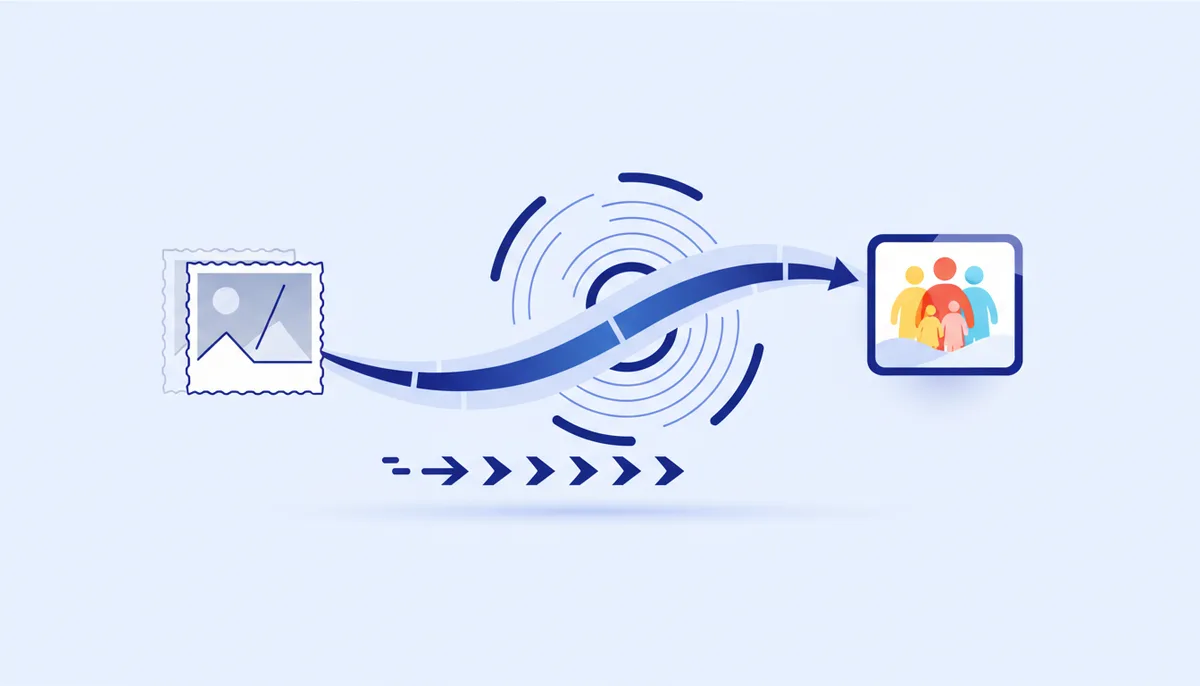
Old-photo restoration & colorization
What for: bring faded and B/W shots back to life in one click — the mass "family album" trend of 2025 that everyone is sharing.
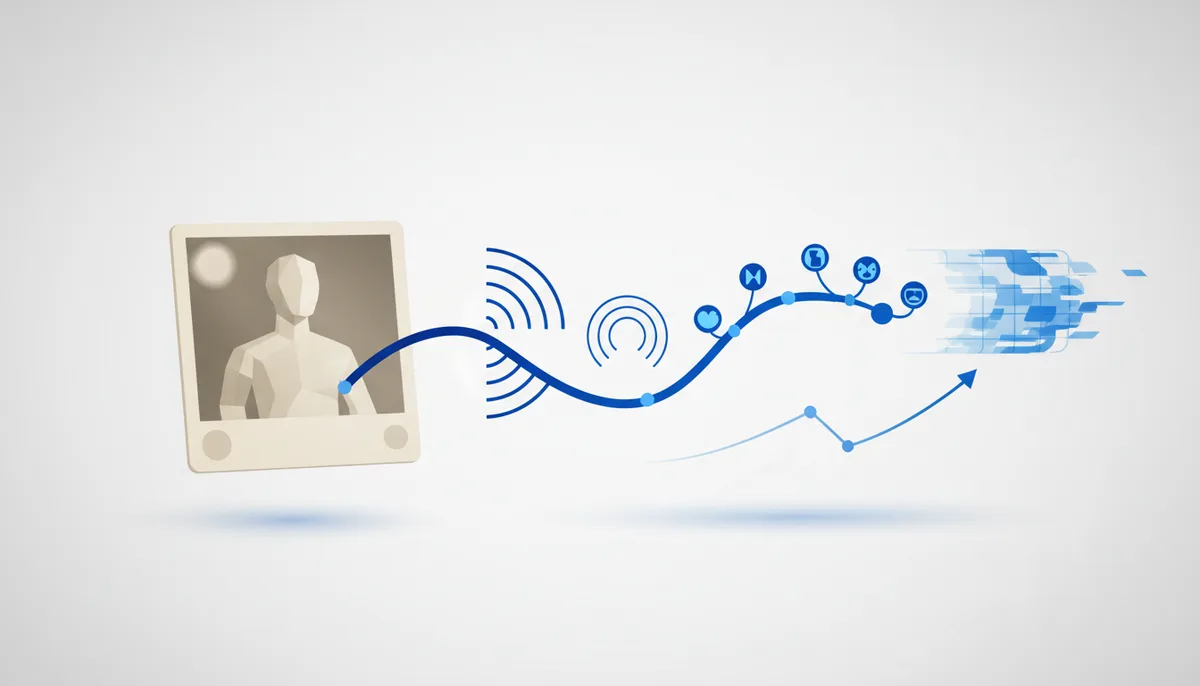
Bringing photos to life
What for: turn a still photo into a short video with motion and expression — the most mainstream, nostalgia-driven AI video trend.

Pixel art and retro revival
What for: why pixel art, VHS and the 80s-90s are back on top — and how AI mass-produces assets in those styles in seconds.

AI product photography
What for: studio shots and on-model images for product pages without a shoot — why e-commerce switched to this en masse.
The Sora app & AI-video feed
What for: unpack the case where a social network made entirely of AI video hit #1 on the US App Store within a few days.
AI stickers & emoji
What for: personal sticker packs and custom emoji made from your own face or idea — built right into the messengers you already use.
AI storyboarding
What for: build a visual storyboard for a video or film with one consistent hero in minutes — previz without hiring an artist.

Text-to-3D and game assets
What for: a full 3D model from a sentence or a single image in seconds — and why 2025 is being called the year of 3D AI.

Creative AI upscaling
What for: turn a blurry image into a sharp 8K one with invented detail, and see why this is a genre of its own, not just resizing.
Fake AI "bands"
What for: the Velvet Sundown case — how a band that never existed pulled in over 1M listeners and why that matters for creators.
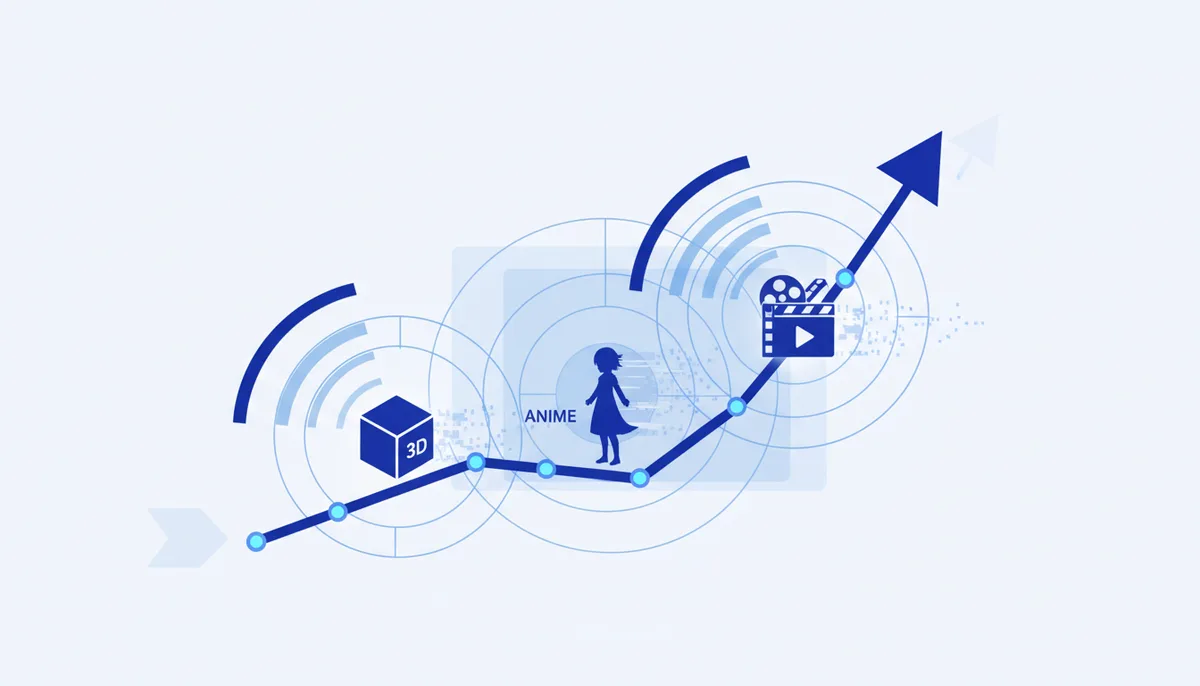
Video restyle (video-to-video)
What for: repaint finished footage into another style (anime, 3D, noir) and see why this became a new layer of post-production.
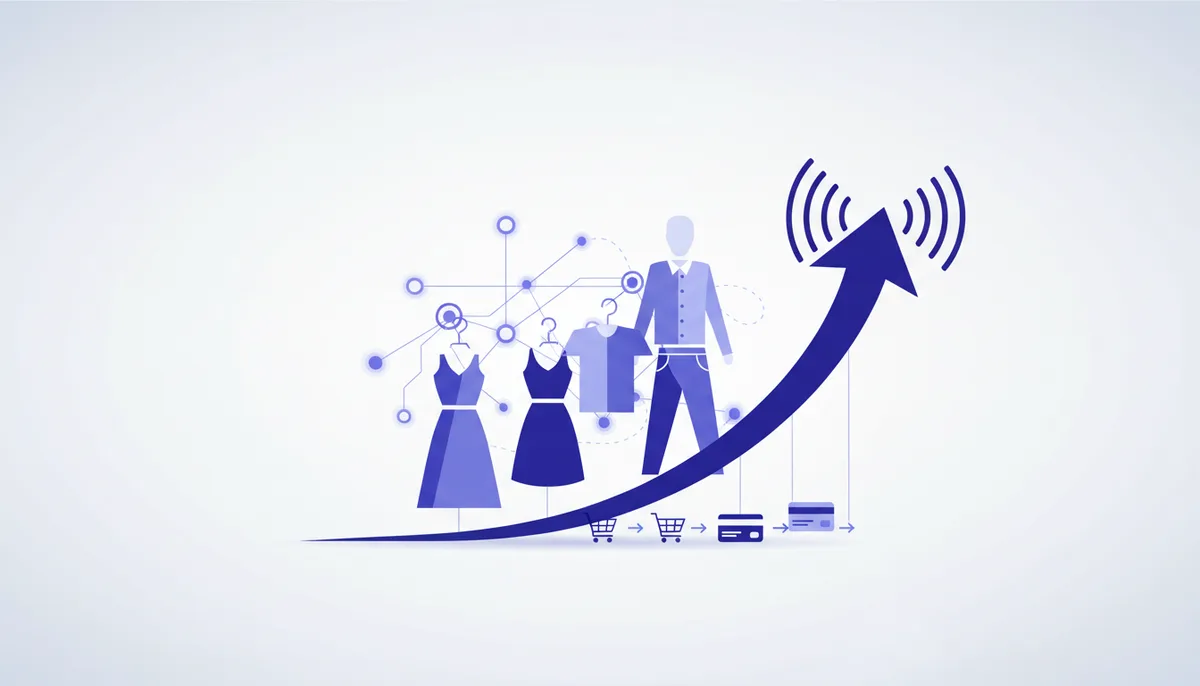
Virtual try-on
What for: "try on" clothes on your own photo before you buy — and why virtual try-on went mainstream in retail during 2025.
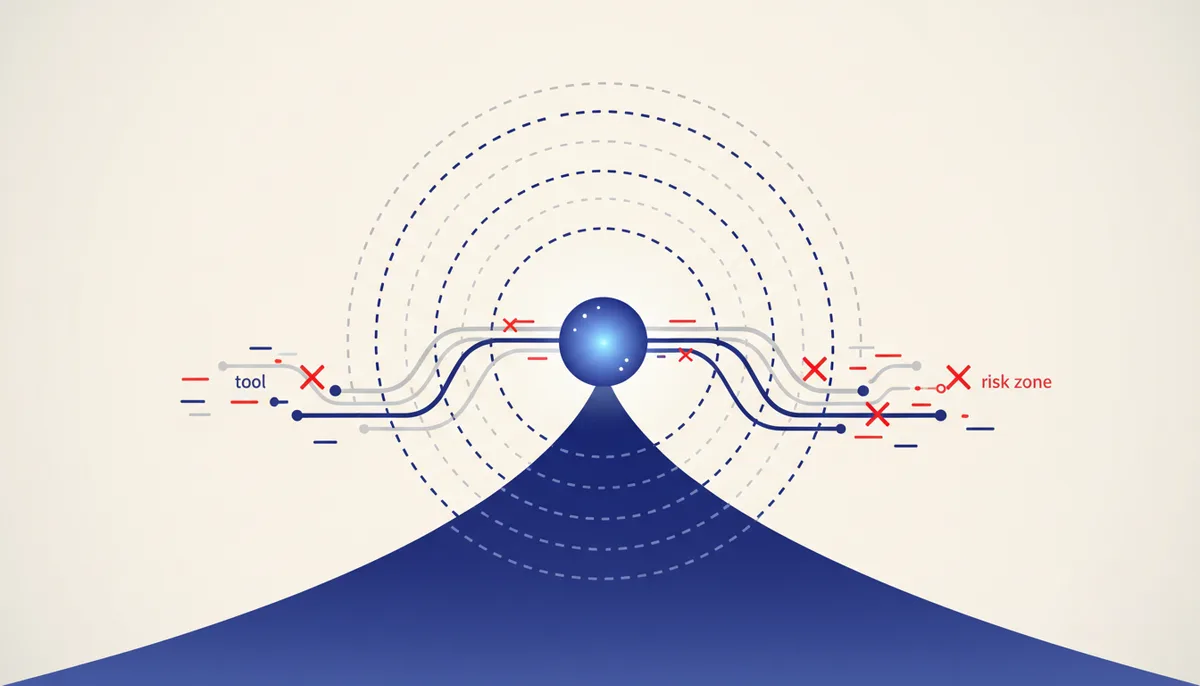
Voice clones and narration
What for: natural-sounding narration and a digital clone of your own voice — why it is a tool and a risk zone at the same time.
The "year of AI video" (2025–26)
What for: understand why generative video has turned from a toy into a real working production tool exactly at this moment.
More from the qvib arsenal
Every card is vetted before it lands here: what the tool is for, how to set it up, and where it falls short. Browse all sections → · Read the in-depth guides →